
A comprehensive examination of Robert A. Heinlein’s seminal work, exploring the complex interplay between the novel’s philosophical framework and Paul Verhoeven’s satirical film adaptation.
Author: Literature Art Editors

The Enduring Legacy of Robert A. Heinlein: Self-Determination, Robotics, and Scientific Vision
Robert A. Heinlein stands as a titan of science fiction, his prolific works shaping not only the genre but also influencing philosophical discourse on individualism, societal structures, and technological advancement. This pillar page delves into the multifaceted aspects of Heinlein’s universe, exploring his iconic characters like Lazarus Long, the profound concept of self-determination, the evolving portrayal of robots, and the scientific scrutiny of his speculative technologies such as the jump drive. Through an in-depth analysis of his most celebrated novels, including “Time Enough to Love,” we reconstruct the intricate tapestry of his literary genius, offering a comprehensive guide to understanding Heinlein’s enduring relevance and his unwavering commitment to exploring the frontiers of human potential and cosmic possibilities.
High-Tech Low-Living: The Reality of Digital Ghettos
An analytical exploration of how rapid technological advancement creates socioeconomic disparities, manifesting as digital ghettos where high-speed connectivity masks systemic urban decay.
Neuromancer vs. The Matrix: Cyberpunk’s Evolution and Legacy
A deep-dive investigation into the philosophical divergence between William Gibson’s Neuromancer and The Wachowskis’ The Matrix, exploring how these pillars of cyberpunk define technological fear, virtual reality, and the human condition.

Exploring William Gibson’s Cyberpunk Universe: Protagonists, Worlds, and Enduring Legacy
Dive deep into the influential world of William Gibson, the visionary author who sculpted the cyberpunk genre. This comprehensive guide dissects his iconic protagonists, the gritty, high-tech urban landscapes they inhabit, and the profound themes woven into his narratives, revealing the enduring impact of his prescient vision on literature, technology, and culture.
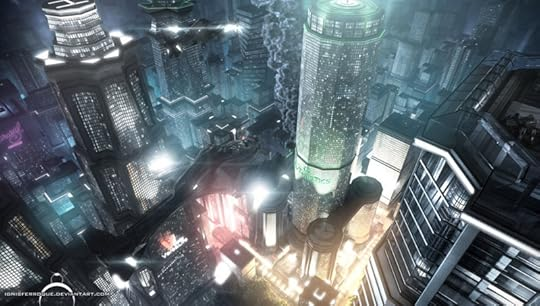
William Gibson’s Prophetic Visions: From Cyberspace to Post-Internet Consumerism
An exhaustive exploration of William Gibson’s literary evolution, tracing his prophetic conceptualization of cyberspace as a consensus illusion, the sprawling globalization of his early trilogies, and the intricate intersections of brand memory, clothing, and conflict in the post-internet era defined by Zero History.

Neuromancer and the Genesis of Cyberpunk: A Comprehensive Guide to Gibson’s Dystopian Prophecy
Delve deep into the neon-lit, rain-slicked streets of William Gibson’s Neuromancer. This definitive guide explores how a single novel birthed the cyberpunk genre, prophesied the advent of cyberspace, and delivered a grim dystopian warning that echoes through our modern technological landscape.

The Philosophy of Human Nature in Keigo Higashino’s Novels
An exhaustive exploration of Keigo Higashino’s mastery in blending suspense with the profound complexities of human nature, morality, and social justice.
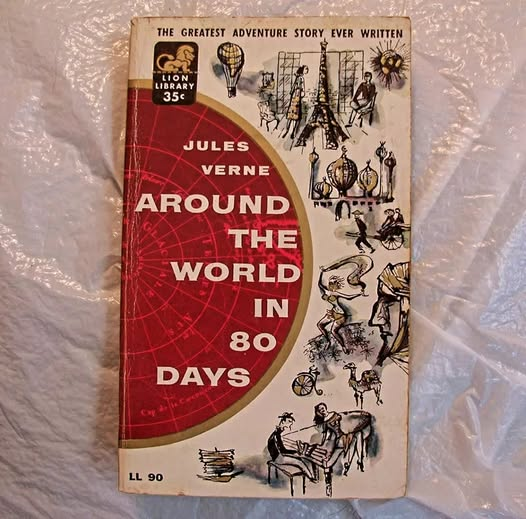
Jules Verne’s Global Journeys: A Deep Dive into Fogg and Captain Grant
Jules Verne’s literary masterpieces have long captivated audiences with their blend of scientific curiosity, geographical exploration, and profound human resilience. This comprehensive analysis explores two of his most iconic global adventures: ‘Around the World in Eighty Days’ and ‘Captain Grant’s Children’ (also known as ‘In Search of the Castaways’). By dissecting Phileas Fogg’s transformative journey from a rigid, time-obsessed gentleman to a man who discovers the ultimate prize of love and happiness, alongside Lord Glenarvan’s grueling, continent-spanning rescue mission along the 37th parallel south, we uncover the intricate thematic layers Verne wove into his narratives. This pillar page breaks down character motivations, geographical challenges, and the underlying philosophical questions that elevate these novels from mere adventure stories to timeless explorations of the human spirit.
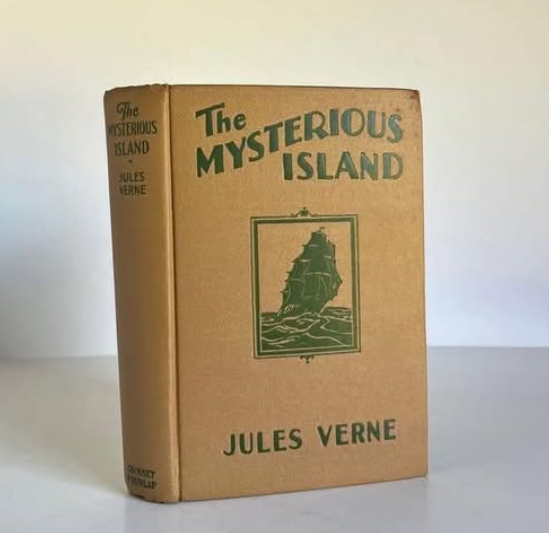
The Ultimate Guide to Jules Verne’s The Mysterious Island: Utopian Prophecies and the Duality of Adulthood
A comprehensive literary analysis of Jules Verne’s The Mysterious Island, exploring the profound transformation of the reader’s experience from childhood adventure to adult philosophical critique. This guide delves deep into Verne’s utopian conceptions, the socio-political implications of Lincoln Island, and the prophetic warnings hidden beneath the veil of scientific optimism.
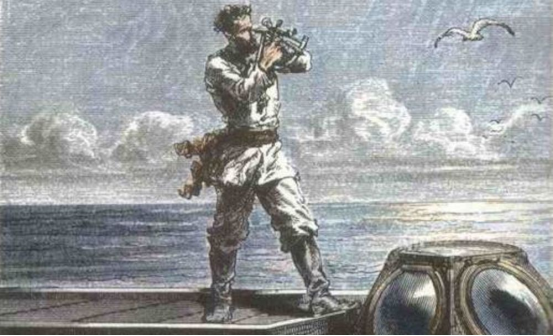
20,000 Leagues Under the Sea: Ultimate Analysis of Power, Freedom, and Humanity
Delve into a profound literary analysis of Jules Verne’s masterpiece, Twenty Thousand Leagues Under the Sea. This comprehensive guide moves beyond the surface-level adventure to explore intricate metaphors of power, the paradoxical nature of escape, and the complex boundaries of freedom and revenge. By examining the dynamic character relationships and the enigmatic Captain Nemo, we uncover the timeless questions of humanity hidden within the deep sea.
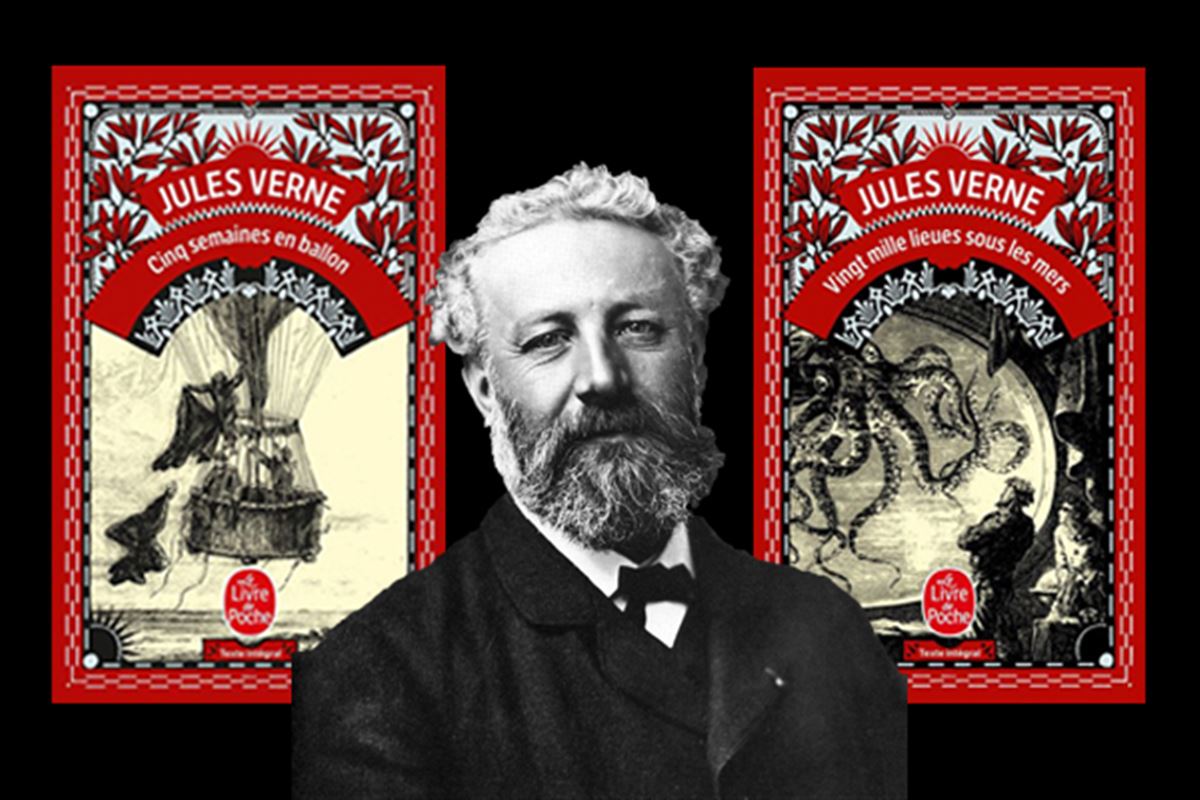
The Ultimate Guide to Jules Verne’s Literary Universe: Nature, Curiosity, and the Loop of Fate
Delve deep into the extraordinary mind of Jules Verne. This comprehensive guide synthesizes the core themes of his most celebrated works, exploring nature as the ultimate protagonist, the insatiable curiosity that drove his narratives, the classic archetypes of loyalty, reason, and revenge, and the intricate loop of fate defining characters like Captain Nemo and Ayrton.
Jules Verne: The Visionary Who Invented the Future of Technology
Explore the astonishing foresight of Jules Verne, the literary pioneer who accurately predicted submarines, space travel, and modern urban technology decades before they became reality. This comprehensive guide delves into the scientific accuracy of his greatest works, analyzing how his extraordinary voyages laid the conceptual groundwork for modern engineering and space exploration.
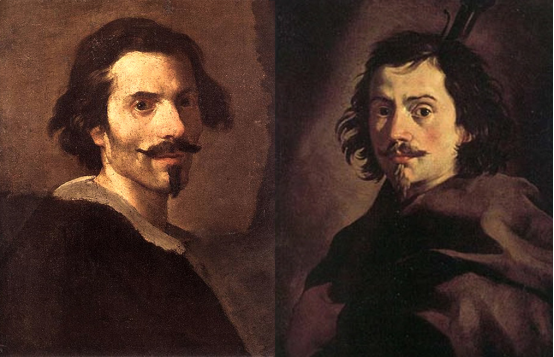
Review of “Genius in Design: Bernini, Borromini, and the Competition that Changed Rome”
Seventeenth-century Rome was the stage for the flourishing of Baroque art, and the names of these two talented architects, Bernini and Borromini, are undoubtedly the […]
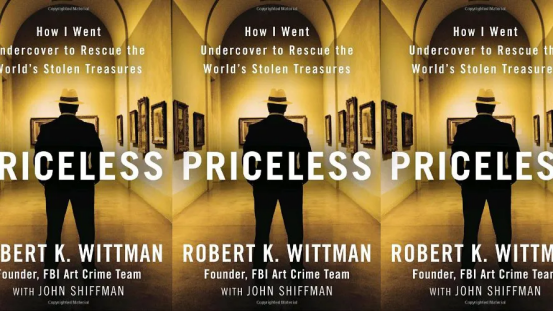
Art Conservation from an Undercover Perspective: A Review of “Priceless: How I Went Undercover to Rescue the World’s Stolen Treasures”
In many art books, we often encounter in-depth analyses by art historians and critics offering insightful observations on the brushwork, composition, and meaning of works. […]
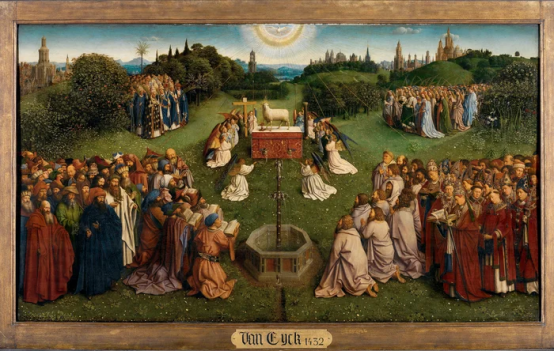
Guardianship of Art Across Centuries: A Review of “Stealing the Mystical Lamb”
In the history of Western art, Jan van Eyck’s Ghent Altarpiece is undoubtedly a world-renowned masterpiece. Its central scene, “The Adoration of the Mystic Lamb,” […]

Rediscovering the Origins of Baroque Art: A Review of Alois Riegl’s The Origins of the Roman Baroque
In the field of art history, the value of certain classic works becomes increasingly apparent with the passage of time. Alois Rieger’s The Origins of […]
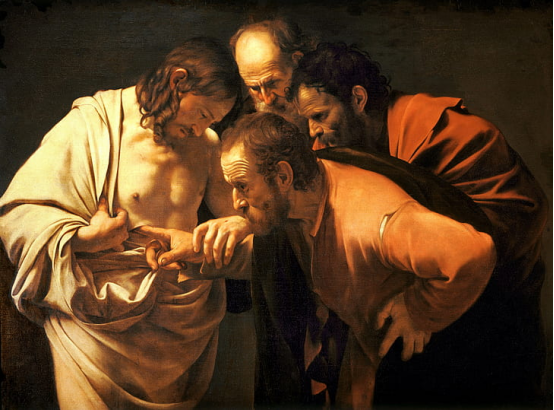
Tracing Caravaggio between Light, Shadow and Words: A Review of the Exhibition Catalogue of Caravaggio and His Followers in Rome
For art history enthusiasts, a good exhibition catalogue is more than just an “advance ticket” to the exhibition; it serves as a “paper museum” that […]

Book Review: The Heart of Europe: The Holy Roman Empire 800-1806
Recently, I have been immersed in a very profound historical book, “The Heart of Europe: The Holy Roman Empire 800-1806 ” by Peter Wilson. When […]

Book Review: The Farmer
When I was organizing my bookshelf recently, a book recommended by a friend, The Peasant, caught my attention. I had heard that this Nobel Prize-winning […]