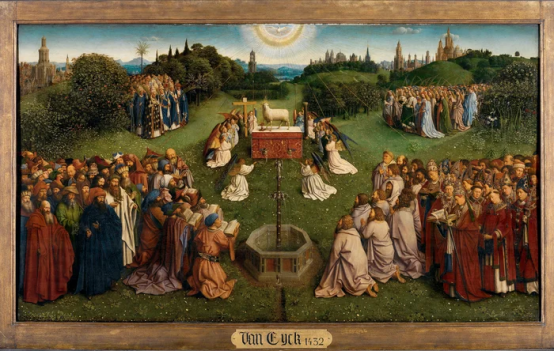
In the history of Western art, Jan van Eyck’s Ghent Altarpiece is undoubtedly a world-renowned masterpiece. Its central scene, “The Adoration of the Mystic Lamb,” captivates art lovers with its unparalleled realism and profound religious symbolism. A recent book about the painting, “The Stealing of the Mystic Lamb,” takes readers through six centuries, re-examining its fate and value. More than just an art appreciation book, it’s a blend of history, detective work, and cultural reflection. With intense emotion and wisdom, it allows readers to experience the power inherent in a work of art.
Using “theft” as a clue to weave a legendary fate
The most striking aspect of “The Stealing of the Mystic Lamb” is its narrative structure, which centers around a theft. Unlike traditional art introductions, the author doesn’t begin by introducing the painting’s background. Instead, he uses the theft as a starting point to recount the painting’s tortuous fate through history. Each instance of loss and recovery becomes a captivating focal point. From its demolition during the Reformation, to its ingenious concealment during World War II, to its bizarre disappearance in peacetime, each episode is filled with tension and thrills.
The account of the “conservation operations during World War II” is particularly captivating. Drawing on extensive archival material and survivors’ recollections, the book meticulously depicts the individuals who safeguarded the art: museum staff braved danger to dismantle and carefully hide the paintings; resistance members braved Nazi pursuit to repeatedly move the paintings. All of this underscores humanity’s perseverance and protection of cultural heritage in the face of adversity, and this emotional turmoil makes “Stealing the Mysterious Lamb” as captivating as a detective novel.
Go deep into the texture and decode the code of art
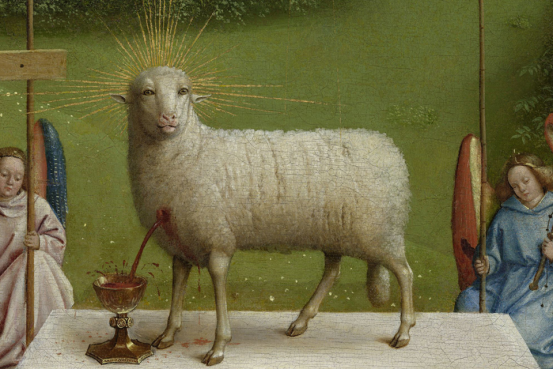
However, the book’s appeal extends beyond its thrilling storyline. Its artistic interpretation of the painting “Adoration of the Mystic Lamb” is equally insightful and illuminating. While 15th-century Dutch “realism” may be a vague concept for the average reader, the author uses clear, accessible language to make these complex artistic techniques vivid and accessible. From the delicate down on the lamb to the exquisite floral background, every detail makes one feel as if they can physically touch the texture of the painting and appreciate the ingenuity behind it.
More importantly, the author’s interpretation of the painting’s religious significance breaks with the traditional, singular perspective. From Christian symbolism to a potential critique of the corruption of the church at the time, each interpretation invites the reader to explore the painting’s multiple meanings. This open-minded approach allows readers to not just passively accept the artist’s intentions, but encourages them to reflect, explore, and experience the work’s diverse facets.
Reflect on the present and awaken awareness of cultural heritage protection
The value of “The Stealing of the Mystic Lamb” lies not only in its telling of the legendary story of a painting but also in its provoking a profound reflection on the preservation of cultural heritage. By comparing attitudes toward the Ghent Altarpiece throughout different eras, the book reveals the differing fates of cultural heritage in times of turmoil and peace. In times of war, it can become an “object” subject to arbitrary plunder; in times of peace, it becomes a “cultural symbol” fought over globally. This shift reflects the advancement of humanity’s understanding of cultural heritage, but it also brings home the profound realization that its protection is never truly “safe.”
Through concrete examples, the author demonstrates the meticulous care modern museums and restorers have taken to preserve the Ghent Altarpiece. Every year, staff members devote countless hours to restoring the painting, meticulously removing every inch of dust and reinforcing every layer of paint. This meticulous attention to detail epitomizes contemporary cultural heritage preservation. The book concludes with the statement, “Every piece of cultural heritage is a shared memory of humanity. Protecting it is protecting our own roots.” This statement is not only a tribute to the guardians of the Ghent Altarpiece but also a profound call to all of us: The preservation of cultural heritage is not the sole responsibility of museum staff; it requires the participation of each of us.
The significance of witnessing and protecting art
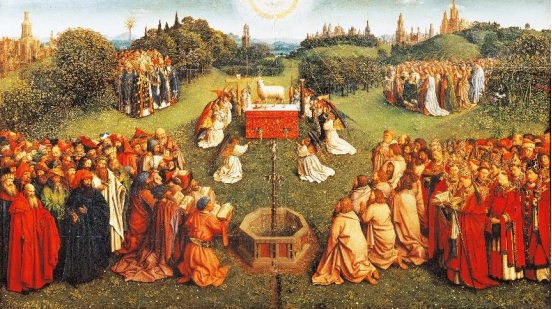
After reading The Stealing of the Mystic Lamb and looking back at Jan van Eyck’s The Adoration of the Mystic Lamb, we discover that it has long transcended the painting itself, becoming a witness to human civilization. It has endured the ravages of war, the fear of theft, and also enjoyed reverence and protection. Its fate is inextricably linked to the rise and fall of human history. This book, through telling its story, reveals the power of art and the significance of preserving cultural heritage.
For those who love art and care about cultural heritage, “Stealing the Mystic Lamb” is undoubtedly a masterpiece worth reading. It not only allows us to appreciate the unique charm of art, but also teaches us to face the cultural wealth that belongs to all mankind with awe and responsibility.