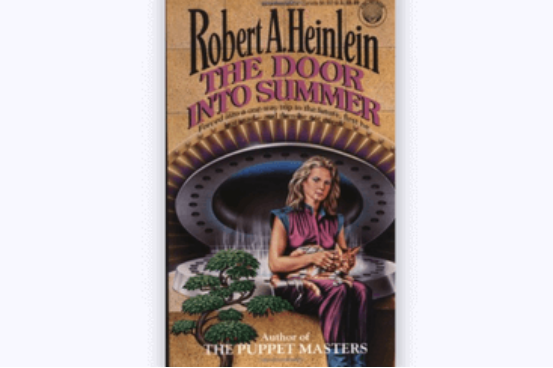
An expansive analysis of the novel Into the Midsummer Gate, exploring the intersection of hard engineering logic, feline companionship, and the philosophical implications of temporal displacement.
Science Fiction Literary Analysis
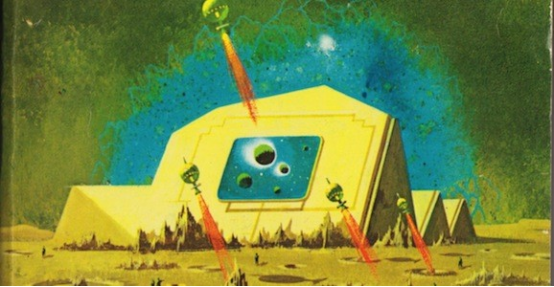
Revolutionary Economics in The Moon is a Harsh Mistress: Weaponizing Communication Delays
An incredibly detailed literary and scientific analysis of Robert A. Heinlein’s classic novel, exploring how a lunar colony leveraged resource economics, TANSTAAFL, and the immutable laws of physics to orchestrate a successful war of independence.

Heinlein’s Mirror: How “Double Star” and “The Rolling Stones” Critique Society
A deep dive into Robert A. Heinlein’s classic novels, “Double Star” and “The Rolling Stones,” exploring how they serve as powerful critiques of political performance, democratic illusions, and the rigid confines of the traditional nuclear family. This analysis reveals science fiction’s unique capacity to dissect and question our most fundamental societal structures.

The Martian Perspective: Deconstructing Human Religion and Social Customs in Stranger in a Strange Land
An exhaustive exploration of Robert A. Heinlein’s masterpiece, analyzing Valentine Michael Smith’s journey to define humanity through Martian philosophy, the concept of grokking, and the radical deconstruction of Earth’s social and religious institutions.

Starship Troopers: Satire, Citizenship, and Militarism
A comprehensive examination of Robert A. Heinlein’s seminal work, exploring the complex interplay between the novel’s philosophical framework and Paul Verhoeven’s satirical film adaptation.

The Enduring Legacy of Robert A. Heinlein: Self-Determination, Robotics, and Scientific Vision
Robert A. Heinlein stands as a titan of science fiction, his prolific works shaping not only the genre but also influencing philosophical discourse on individualism, societal structures, and technological advancement. This pillar page delves into the multifaceted aspects of Heinlein’s universe, exploring his iconic characters like Lazarus Long, the profound concept of self-determination, the evolving portrayal of robots, and the scientific scrutiny of his speculative technologies such as the jump drive. Through an in-depth analysis of his most celebrated novels, including “Time Enough to Love,” we reconstruct the intricate tapestry of his literary genius, offering a comprehensive guide to understanding Heinlein’s enduring relevance and his unwavering commitment to exploring the frontiers of human potential and cosmic possibilities.