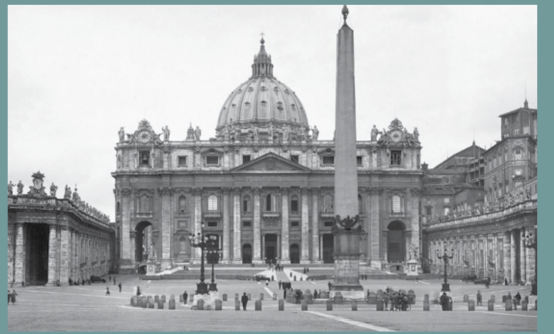
In the field of art history, the value of certain classic works becomes increasingly apparent with the passage of time. Alois Rieger’s The Origins of the Roman Baroque (Getty Publishing, 2009) is one such example. This book is not only the first English translation of Rieger’s work on Baroque art, it fills a gap in Western research on this Austrian master of art history. Through its in-depth historical and scholarly reflections, it also opens a window for contemporary readers to examine early Baroque scholarship. Although published in the late 19th and early 20th centuries, the book’s profound scholarly value and incisive thinking continue to offer unique perspectives to modern art historians and enthusiasts.
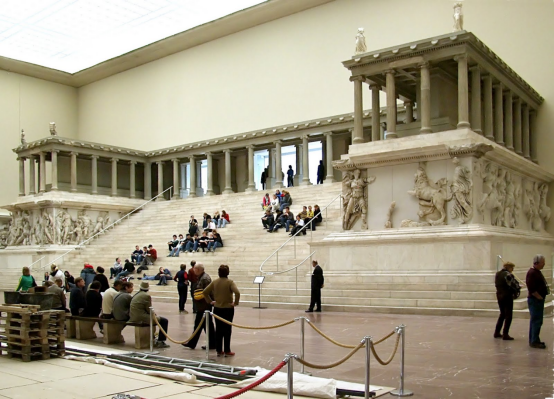
Milestone: Unlocking the “Original Archives” of Baroque Studies
One of the most significant contributions of The Origins of the Roman Baroque lies in its groundbreaking nature. Originally published in 1908, Rieger’s lecture notes circulated for many years in the German-speaking world, but it was not until 2009 that the Getty Publishing House translated them into English for the first time. This translation not only provides English readers with their first exposure to the ideas of this master of art history, but also, through a detailed introductory essay, offers contemporary scholars and enthusiasts the opportunity to engage with early scholarship. For art historians, this book is more than just a presentation of Rieger’s thought; it is also a historically valuable “original archive,” providing a glimpse into the intellectual atmosphere and thought processes of art historians in the early 20th century.
The lecture notes in this book originate from a period before a fixed paradigm for Baroque art research emerged. Riegl’s scholarly thinking was unconventional and exploratory. Unlike later academic frameworks, he wasn’t confined to discussing “Baroque” per se, but rather explored the evolution of artistic styles through the lens of the Renaissance, examining the origins of the Baroque. This approach presented a rudimentary understanding of the origins of Baroque art and provided an important perspective for subsequent scholars studying the stylistic evolution of the Baroque.
Academic Insights: The “Baroque Predecessors” Theory That Subverts Cognition
In his book The Origins of the Roman Baroque, Riegl presents numerous scholarly perspectives that challenge conventional wisdom. The most revealing is his interpretation of Michelangelo and Correggio. In contemporary art history, Michelangelo is often considered a representative of the Renaissance, while his connection to the Baroque style is often overlooked. However, Riegl argues that Michelangelo’s work already contains the DNA of Baroque art, particularly his sense of dynamism, exaggerated form, and break with traditional composition—elements that were repeatedly developed and expanded upon in Baroque art. Riegl’s perspective not only challenges our conventional understanding of Michelangelo but also prompts a rethinking of the relationship between the Renaissance and the Baroque in terms of the “transmission of styles.”
This also reflects Riegl’s reflections on the evolution of academic history. He argues that Michelangelo’s Baroque qualities were insufficiently valued in 20th-century scholarship due to shifting academic frameworks and a bias in mainstream Renaissance studies. Through this reflection on historical and scholarly cognition, Riegl reveals the often overlooked complexities of stylistic evolution, providing an important guide for understanding how academic history shapes our understanding of art history.
Rieger’s exploration of “naturalism” is equally illuminating. He suggests that Northern scholars’ interest in naturalism may be closely linked to their geographical background and cultural traditions. This self-reflective perspective demonstrates Rieger’s keen insight into the cultural biases underlying academic perspectives. While this type of self-reflection may seem uncommon, it offers important lessons for contemporary scholarship: an open attitude toward academic thinking and a deep understanding of the influence of cultural context.
Reading experience: a dual interweaving of convenience and regret
As a scholarly work, The Origins of the Roman Baroque possesses distinct characteristics in its structure and detailed design, though it also has certain shortcomings. Its greatest strength lies in its emphasis on key information. Important artists, scholars, and concepts are highlighted in bold, allowing readers to quickly grasp the core ideas. This is especially true in sections with a high degree of academic concentration, where boldface effectively reduces reading difficulty and helps readers efficiently locate key information. This is particularly useful for academic enthusiasts and scholars.
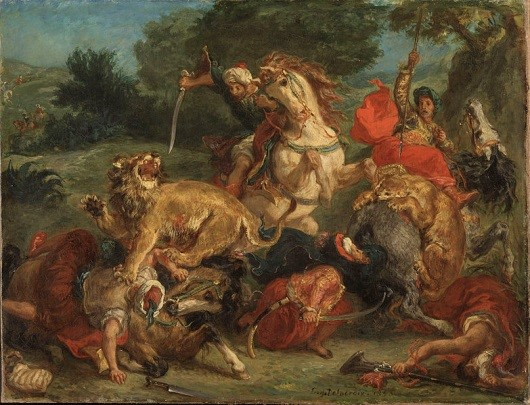
However, the book’s lack of images and the fact that it is entirely in black and white presents a significant shortcoming in the reading experience. Art history research is inseparable from the integration of images and text, especially within the Baroque art world. Discussions involving architecture, sculpture, and painting lack visual references, making some content appear abstract and dull. For example, in discussions of secular architecture, textual descriptions without image support often make it difficult to imagine their specific forms. Furthermore, black and white images fail to capture the colors, lighting, and details of the works, significantly reducing the persuasiveness of the textual arguments. This flaw undoubtedly raises the bar for the book, making it unsuitable for the casual reader with a “casual interest” in Baroque art, but more suitable for scholars and in-depth enthusiasts of the Renaissance and Baroque fields.
Conclusion: Academic Legacy for “Professional Readers”
The Origins of the Roman Baroque may not be a book meant for easy reading. Rather than appealing to the general public through rich imagery or accessible language, it preserves the essence of Riegl’s reflections on Baroque art through its original lecture format. The value of this book lies not in providing standard answers, but in revealing the origins and development of Baroque art through a unique academic perspective, re-examining Michelangelo’s “Baroque DNA,” and delving into how scholarly understanding is shaped by factors such as geography and cultural context. Despite its limitations in imagery and form, its profound scholarly content makes it a valuable legacy in the field of Baroque art research, worthy of in-depth reading and reflection by all art history enthusiasts and scholars.
For readers who truly love Renaissance and Baroque art and desire to delve deeper into the history of scholarship, this book is undoubtedly an essential academic resource. It allows us to journey through time and space, engaging in a cross-generational dialogue with Alois Rieger. While appreciating the charm of early art history research, it also provides a valuable perspective for understanding the evolution of artistic styles and the inheritance of scholarship.