Start here for Literary Classics, Sci-Fi Analysis, Modern Literature, Sculpture & Art History, and trust pages.
Sci-Fi Analysis
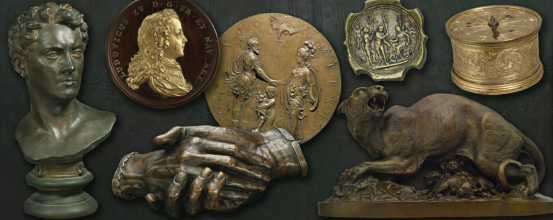
The Ultimate Guide to Sculpture Conservation: Preserving Art Against Time
Explore the comprehensive science and ethics behind sculpture restoration. This guide delves into material degradation, modern conservation techniques, and the strategic preservation of three-dimensional masterpieces.
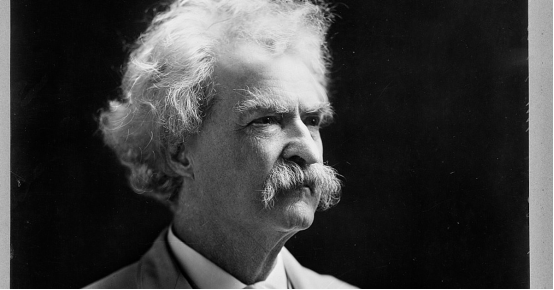
The Ultimate Guide to Satire: Mark Twain’s Legacy Meets Modern Stand-Up Comedy
Dive deep into the rich history and evolving forms of satire, comparing the timeless literary genius of Mark Twain with the sharp, immediate wit of contemporary stand-up comedy. This comprehensive guide explores the techniques, societal impact, and enduring relevance of satire, offering a modern-day survival kit for understanding its complexities in today’s world.
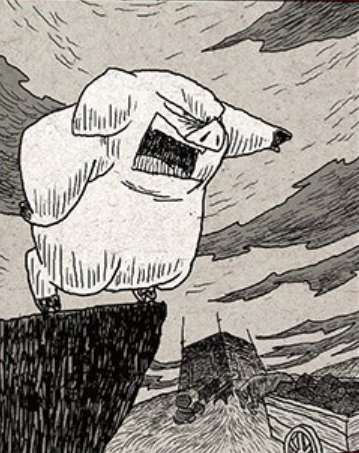
Decoding Dystopian Literature: Rebellion, Control, and Human Identity
Explore the profound social implications of dystopian literature. From the totalitarian surveillance of 1984 and the political allegories of Animal Farm to the survival dynamics of The Hunger Games and the factional symbolism in Divergent, this comprehensive guide dissects the mechanisms of societal control, the psychology of obedience, and the eternal human struggle for freedom.

Arthur C. Clarke’s Grand Vision: Humanity’s Destiny in the Cosmos
A deep dive into the core philosophical themes of Arthur C. Clarke’s most iconic works, exploring cosmic loneliness, the double-edged sword of technology, and the profound, often unsettling, future of human evolution. From the stagnant utopia of Diaspar to the silent monolith and the ultimate transcendence in Childhood’s End, this guide synthesizes Clarke’s timeless questions about our place among the stars.

Arthur C. Clarke: From Sci-Fi Visionary to Engineering Reality
Explore how Arthur C. Clarke’s literary predictions—from global satellite networks to space elevators—transitioned from speculative fiction into the foundation of modern engineering and telecommunications.

The Ultimate Guide to Arthur C. Clarke’s Vision: Humanity, AI, and the Space Odyssey
Delve into the profound philosophical and scientific depths of Arthur C. Clarke’s masterpieces. From the enigmatic monoliths of 2001: A Space Odyssey to the melancholy-free interstellar migrations in The Songs of Distant Earth, this comprehensive pillar page explores the intricate relationship between artificial intelligence, cosmic evolution, and the enduring spirit of humanity.
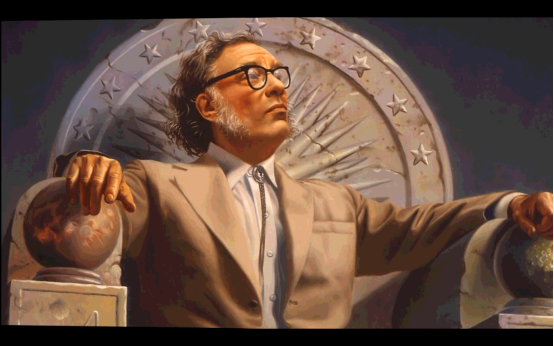
The Philosophical Legacy of Isaac Asimov: Entropy, Time, and Science
An exhaustive exploration of Isaac Asimov’s contributions to literature and philosophy, covering the thermodynamics of The Last Question, the morality of temporal manipulation in The End of Eternity, and his enduring influence on modern technological culture.
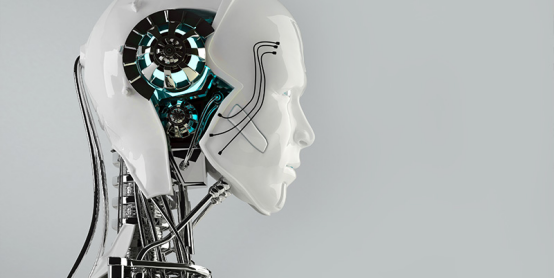
Asimov’s Laws of Robotics: The Ultimate Guide to AI’s Ethical Foundation
A comprehensive exploration of Isaac Asimov’s Three Laws of Robotics, from their foundational principles and the controversial Zeroth Law to their inherent paradoxes and limitations in the modern era of advanced AI. This guide delves into the philosophical and practical challenges these laws present, examining their enduring legacy as a cornerstone of AI ethics.
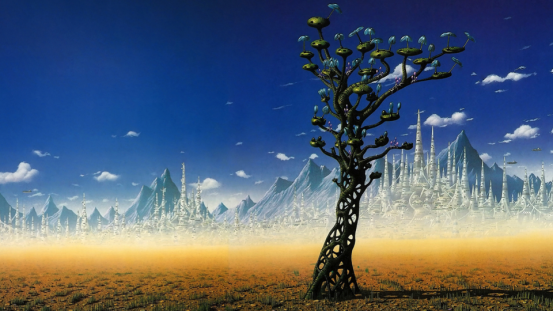
Deconstructing Asimov’s Foundation: Psychohistory, Empires & Free Will
Isaac Asimov’s monumental Foundation series stands as a cornerstone of science fiction, meticulously weaving a narrative that explores the grand sweep of galactic history, the intricate dance between individual free will and societal determinism, and the evolution of intelligence. This pillar page delves deep into the core concepts of the Foundation Trilogy and its expanded universe, dissecting the genius of psychohistory, the striking parallels with the Roman Empire’s decline, the profound philosophical questions surrounding humanity’s destiny, and the advent of advanced collective consciousness like Gaia. We will exhaustively explore the themes and intricate plots that define Asimov’s lasting legacy, providing a comprehensive guide for both long-time fans and new readers.
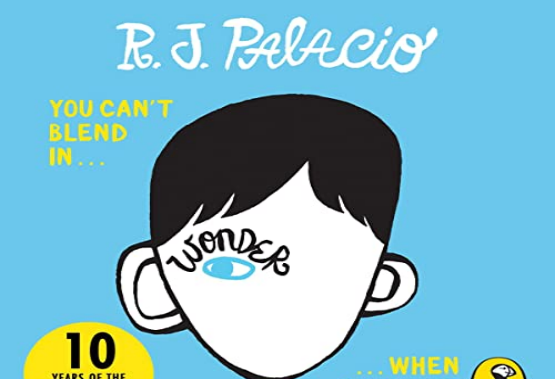
The Evolution of Modern Children’s Literature: Empathy, Multiculturalism, and the Battle Against Censorship
Children’s literature has transcended its traditional boundaries, evolving into a profound medium that shapes societal values, fosters universal empathy, and challenges systemic norms. This comprehensive guide explores the miraculous resonance of modern classics, the pivotal shift towards authentic multicultural representation, and the ongoing controversies surrounding banned books that dare to reflect the complexities of real life.
The Freed World: Nuclear Prophecy and Scientific Ethics
An in-depth exploration of the sociopolitical implications, ethical dilemmas, and prophetic nuclear warnings embedded in the sci-fi narrative of The Freed World.
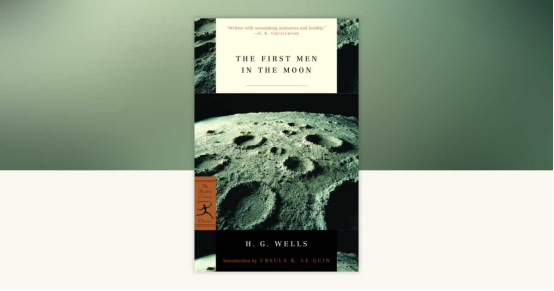
Capitalism on the Moon: An Ultimate Guide to the New Space Race
A deep-dive analysis into the burgeoning era of lunar commercialization, exploring the complex interplay between nation-state ambitions and private corporate monopolies. This guide unpacks the legal frameworks, key players, economic opportunities, and ethical challenges shaping the future of capitalism beyond Earth.
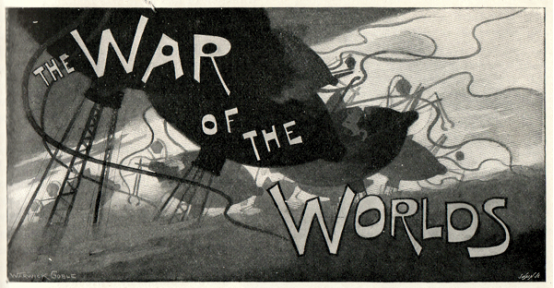
The Profound Echoes of World Wars: Conflict, Colonialism, and the Human Condition
The World Wars stand as indelible markers in human history, not merely for their devastating scale but for the profound philosophical and societal questions they ignited. From the trenches of Europe to the allegorical battlefields of science fiction, these conflicts forced humanity to confront its own vulnerabilities, the moral ambiguities of empire, and the fragile nature of civilization itself. This comprehensive guide delves into the multifaceted legacy of global conflict, exploring its historical ramifications, its reflection in seminal literature like H.G. Wells’ *The War of the Worlds*, and the enduring lessons it offers on power, invasion, and the quest for peace.
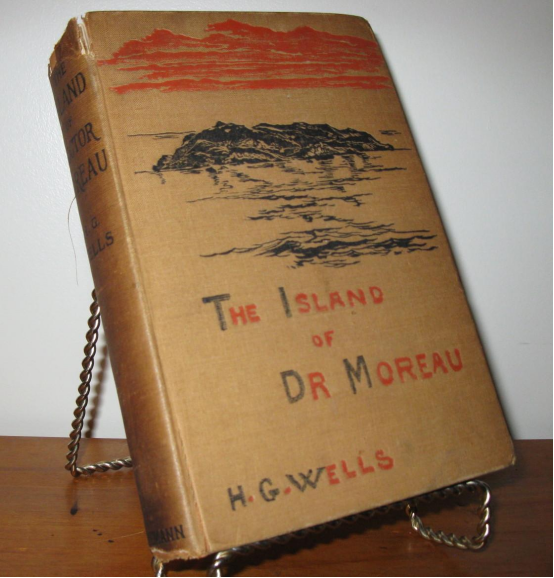
The Ethical Echoes of Doctor Moreau: Gene Editing, Humanity, and the Boundaries of Science
A comprehensive examination of H.G. Wells’ “The Island of Doctor Moreau,” exploring the intersection of Victorian anxieties and modern biotechnological ethics, focusing on the “House of Pain” and the fragility of human civilization in the age of CRISPR.
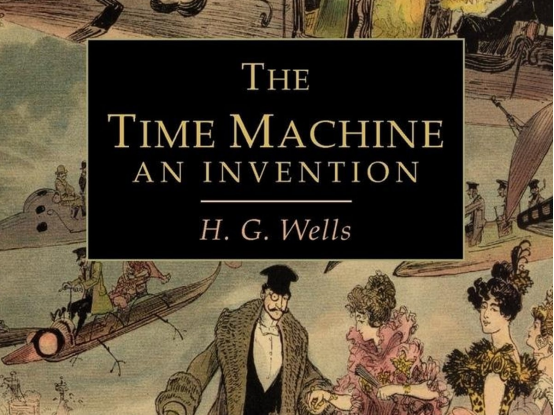
H.G. Wells’ The Time Machine: A Deep Dive into Social Allegory and Class Stratification
A comprehensive analysis of H.G. Wells’ masterpiece, “The Time Machine,” exploring its profound social allegory of Victorian class struggle through the dystopian future of the Eloi and Morlocks. This guide deconstructs the novel’s rich symbolism, its connection to Darwinian evolutionary theory, and its enduring legacy as a powerful critique of social inequality and the potential for human degeneration.

Literature in the Digital Age: Navigating Novels, Social Media, and Algorithmic Dystopias
In an era increasingly dominated by fleeting digital interactions, short-form videos, and pervasive algorithms, the landscape of literature and writing is undergoing a profound transformation. This pillar page delves into the critical questions surrounding the enduring value of novels, the radical reshaping of writing by social media, and the looming specter of algorithmic dystopias, offering an in-depth exploration of how the digital age impacts our capacity for deep reading, critical thought, and the very future of storytelling. It synthesizes diverse perspectives to present a comprehensive guide on navigating these complex shifts while preserving the richness of literary engagement.
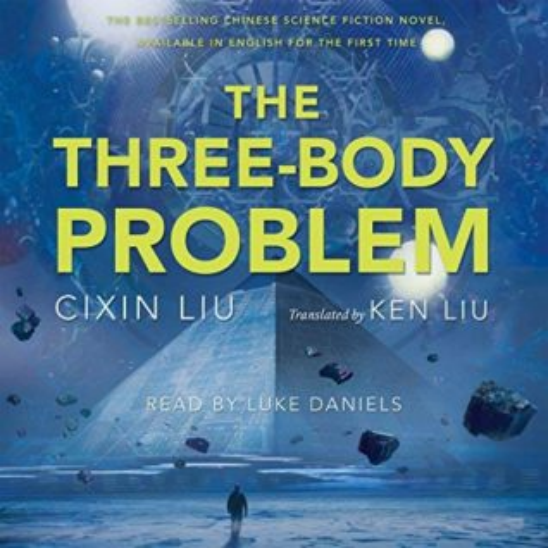
The Three-Body Problem Ultimate Review: Sci-Fi & Civilization
Dive into an extensive analysis of Cixin Liu’s masterpiece, exploring the intricate blend of astrophysics, historical trauma, and the ultimate clash of cosmic civilizations.
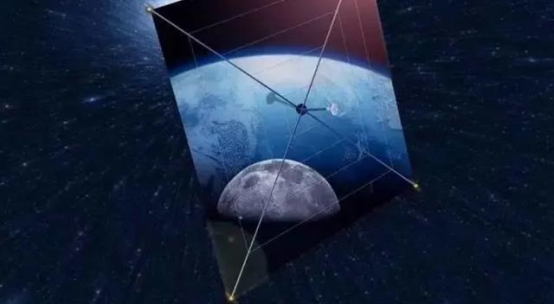
The Aesthetics of Dimensional Reduction: A Comprehensive Guide to the Two-Dimensional Foil
An in-depth exploration of the Two-Dimensional Foil from Cixin Liu’s Three-Body Problem series. This guide analyzes the terrifying intersection of cosmic weaponry and artistic destruction, detailing the mechanics of dimensional collapse and its philosophical impact on the Dark Forest universe.
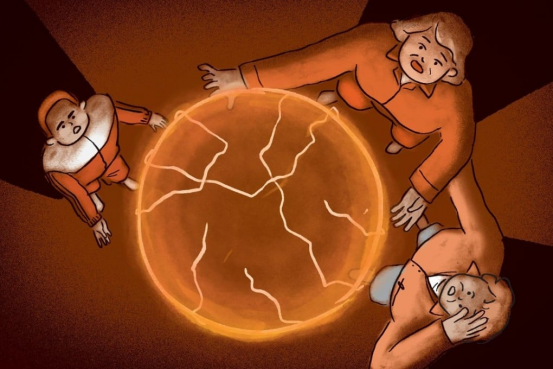
Zhang Beihai’s Strategic Legacy: Survival and the Escape of Natural Selection
An in-depth analysis of Zhang Beihai’s tactical brilliance in The Three-Body Problem, exploring the philosophical tension between proactive survival and passive waiting during the era of the Great Filter.