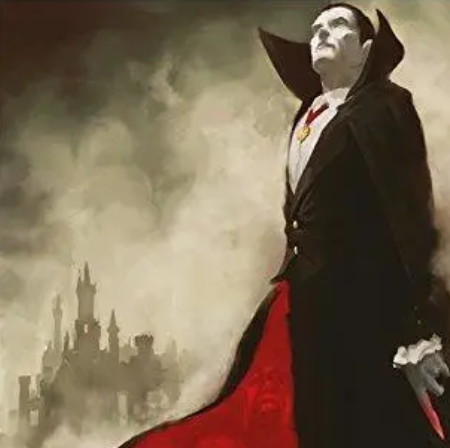
An in-depth exploration of how Bram Stoker’s legendary vampire transitioned from gothic literature to a cornerstone of digital interactive entertainment, examining the psychological allure of horror in online spaces.
The Transatlantic Legacy: How European Literature Shapes Global Narratives
An exhaustive exploration of how European literary traditions—from the existential dread of Kafka to the social realism of Austen—have fundamentally architected the modern global narrative and influenced American literary evolution.
The Screw of Life: An Ultimate Guide to Facing Pressure, Navigating Twists, and Building a Stronger You
A deep dive into the powerful metaphor of the screw, explaining how understanding its mechanics—pressure, rotation, and friction—can provide a profound framework for navigating life’s challenges, preventing burnout, and building lasting personal strength.

The Ultimate Guide to Contemporary Native American Literature
A deep dive into the rise and resistance of Native American writers, exploring the historical context, core themes, key authors, and the enduring power of storytelling as a form of cultural survival and political activism.

The Ultimate Guide to Canadian Literature: Iconic Authors and Evolving Themes
An expansive analysis of the Canadian literary landscape, tracing its journey from colonial roots to the global influence of Margaret Atwood and Michael Ondaatje, while exploring the core themes of survival, identity, and multiculturalism.
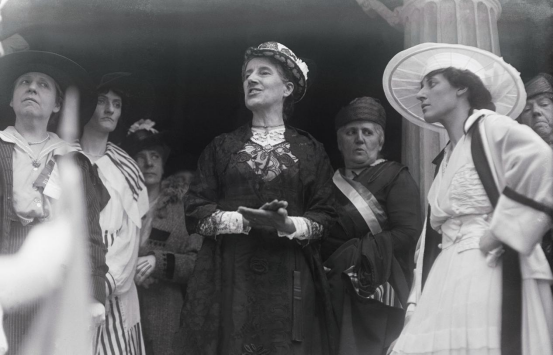
Voices of Resistance: From The Yellow Wallpaper to Atwood’s Dystopias
An exhaustive exploration of the evolution of female agency in literature, tracing the trajectory from Charlotte Perkins Gilman’s psychological confinement to the systemic resistance found in Margaret Atwood’s speculative fiction.

The Evolution of African American Literature: From Morrison’s Memory to Hip-Hop’s Rhythm
This comprehensive guide explores the profound intersections of memory, trauma, and rhythmic expression in African American literature. We delve into Toni Morrison’s revolutionary concept of “rememory” and the psychological architecture of trauma, while simultaneously tracing the lineage of Langston Hughes’s jazz poetry into the modern landscape of hip-hop. By examining these diverse yet connected forms of storytelling, we uncover how African American creators have continuously reclaimed their history and identity through the power of the written and spoken word.

The Enduring Vine: From Transcendentalism to Ecological Soul in American Literature
A deep dive into the philosophical lineage of American literature, tracing the powerful current of Transcendentalism from its 19th-century origins with Emerson and Thoreau through its evolution into the profound ecological consciousness found in the works of John Muir, Aldo Leopold, and even modern writers like John Updike. This guide explores the core tenets of self-reliance, the divinity of nature, and the concept of “wildness” that continue to shape the American soul.

Southern Gothic Literature: Loneliness, Scars, and the Dark Aesthetics of the American South
An exhaustive exploration into the haunting world of Southern Gothic literature, analyzing the profound loneliness in Faulkner’s As I Lay Dying and the dark, scarred aesthetics found in the works of O’Connor and McCullers.
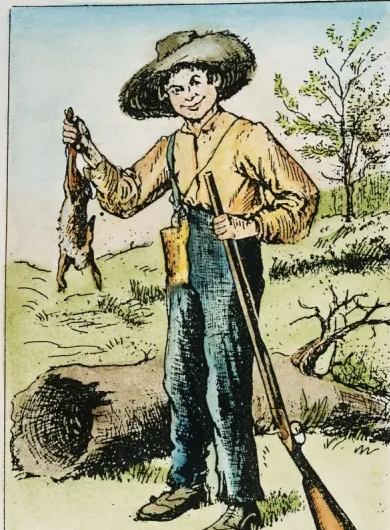
Mirrors of a Nation: Deconstructing Core Themes in American Literature
A comprehensive exploration of the foundational themes that define classic American literature. This guide delves into the quests for freedom, the struggles with societal hypocrisy, the corrosion of the American Dream, and the quiet dignity of human endurance as seen through the masterpieces of Twain, Hawthorne, Fitzgerald, and Hemingway.
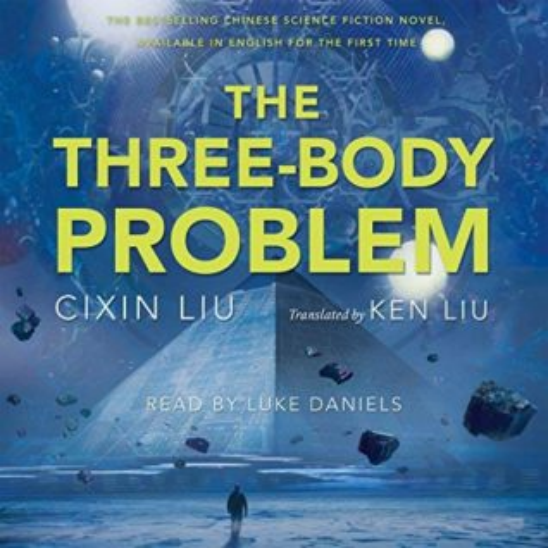
The Three-Body Problem Ultimate Review: Sci-Fi & Civilization
Dive into an extensive analysis of Cixin Liu’s masterpiece, exploring the intricate blend of astrophysics, historical trauma, and the ultimate clash of cosmic civilizations.
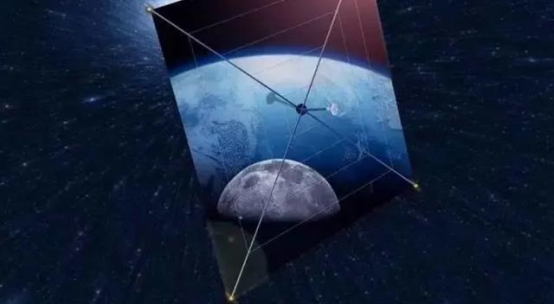
The Aesthetics of Dimensional Reduction: A Comprehensive Guide to the Two-Dimensional Foil
An in-depth exploration of the Two-Dimensional Foil from Cixin Liu’s Three-Body Problem series. This guide analyzes the terrifying intersection of cosmic weaponry and artistic destruction, detailing the mechanics of dimensional collapse and its philosophical impact on the Dark Forest universe.
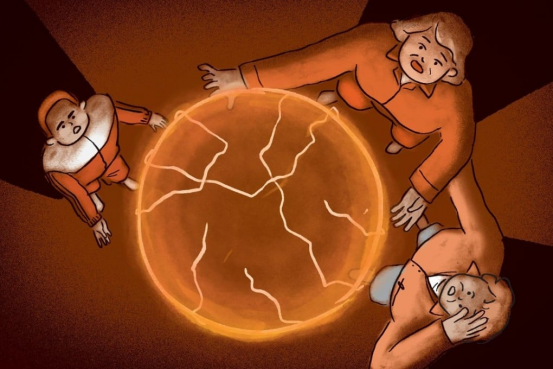
Zhang Beihai’s Strategic Legacy: Survival and the Escape of Natural Selection
An in-depth analysis of Zhang Beihai’s tactical brilliance in The Three-Body Problem, exploring the philosophical tension between proactive survival and passive waiting during the era of the Great Filter.

Liu Cixin’s Sci-Fi Universe: Quantum Physics, Singularity, and High-Tech Weapons
A comprehensive and deeply analytical guide exploring the metaphysical and physical concepts bridging Liu Cixin’s literary universe. From the quantum ontology of macro-atoms in Ball Lightning to the technological singularity of Poetry Cloud, and the terrifying high-tech weaponry of The Three-Body Problem, this pillar page dissects the boundaries of human artistic understanding, cosmic sociology, and the ultimate fear that drives cosmic evolution.

The Moral Crucible of the Three-Body Problem: Character Analysis and Philosophical Conflict
An exhaustive exploration of the central figures in Liu Cixin’s “Remembrance of Earth’s Past” trilogy. This guide dissects the ideological battles between Ye Wenjie’s disillusionment, Luo Ji’s strategic coldness, Cheng Xin’s tragic idealism, and Thomas Wade’s brutal pragmatism. We examine how these characters represent the ultimate choice between human ethics and cosmic survival in a Dark Forest universe.

The Dark Forest Theory: Unveiling Cosmic Survival in The Three-Body Problem
Dive deep into Cixin Liu’s chilling Dark Forest Theory, a cornerstone of cosmic sociology explaining the silence of the universe. This pillar page dissects its game theory foundations, the terrifying logic of suspicion and technological explosion, and its profound implications for alien civilizations and humanity’s place in a hostile cosmos. Explore how survival dictates galactic interactions and why detection often leads to annihilation.
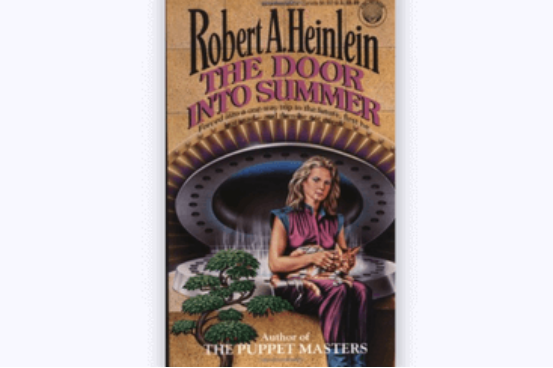
Into the Midsummer Gate: A Deep Dive into Time-Travel Narratives
An expansive analysis of the novel Into the Midsummer Gate, exploring the intersection of hard engineering logic, feline companionship, and the philosophical implications of temporal displacement.
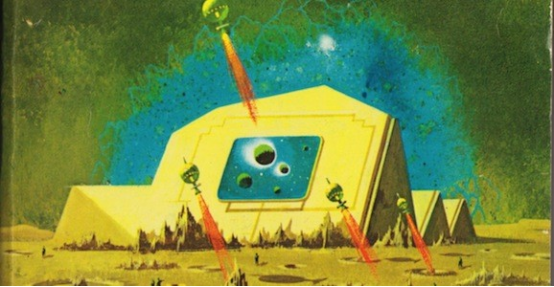
Revolutionary Economics in The Moon is a Harsh Mistress: Weaponizing Communication Delays
An incredibly detailed literary and scientific analysis of Robert A. Heinlein’s classic novel, exploring how a lunar colony leveraged resource economics, TANSTAAFL, and the immutable laws of physics to orchestrate a successful war of independence.

Heinlein’s Mirror: How “Double Star” and “The Rolling Stones” Critique Society
A deep dive into Robert A. Heinlein’s classic novels, “Double Star” and “The Rolling Stones,” exploring how they serve as powerful critiques of political performance, democratic illusions, and the rigid confines of the traditional nuclear family. This analysis reveals science fiction’s unique capacity to dissect and question our most fundamental societal structures.

The Martian Perspective: Deconstructing Human Religion and Social Customs in Stranger in a Strange Land
An exhaustive exploration of Robert A. Heinlein’s masterpiece, analyzing Valentine Michael Smith’s journey to define humanity through Martian philosophy, the concept of grokking, and the radical deconstruction of Earth’s social and religious institutions.