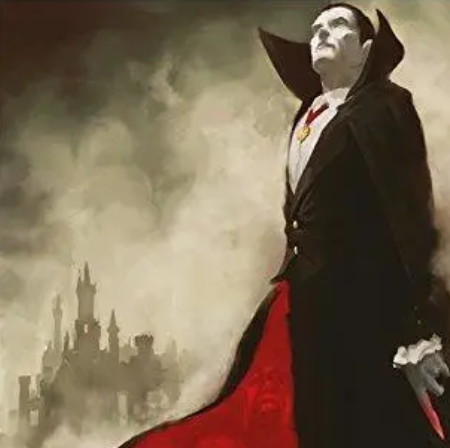
The Psychological Appeal of Dracula in Modern Media
The figure of Count Dracula has transcended his 19th-century literary origins to become a permanent fixture in the digital zeitgeist. Why do we find horror fun? The answer lies in the concept of “benign masochism.” When we engage with horror in a controlled, online environment, we experience a rush of adrenaline and dopamine without the presence of actual physical danger.
The Shift from Gothic Dread to Digital Gamification
Modern digital platforms have gamified the Dracula mythos. By moving away from passive reading to active participation—such as interactive storytelling, browser-based games, and immersive horror simulations—the audience bridges the gap between fear and entertainment. This shift allows users to confront the darkness of Stoker’s world in a way that feels empowering rather than merely oppressive.

Core Elements of Effective Online Horror
To create a truly engaging online horror experience, developers and content creators must balance atmosphere with interactivity. The most successful Dracula-themed projects utilize specific pillars of design to maintain user tension and enjoyment.
- Atmospheric Soundscapes: Utilizing binaural audio to create a sense of presence.
- Narrative Agency: Allowing users to make choices that affect their survival.
- Visual Fidelity: High-contrast gothic aesthetics that pay homage to classic cinema.
- Community Engagement: Multiplayer elements that allow shared experiences of terror.
Comparative Analysis: Traditional vs. Interactive Horror
| Feature | Traditional Media | Interactive/Online Horror |
|---|---|---|
| User Role | Observer | Participant |
| Pacing | Fixed | Dynamic/User-Driven |
| Psychological Effect | Passive Tension | Active Adrenaline |

Expert Advice for Horror Enthusiasts
For those looking to deepen their appreciation of the genre, it is essential to look beyond the jump scares. True horror is found in the “uncanny”—that which is familiar yet deeply unsettling. When engaging with Count Dracula online, pay attention to the world-building. The best experiences are those that respect the source material while introducing modern mechanics that challenge the player’s perception of the vampire myth.
Frequently Asked Questions (FAQ)
- Why is Count Dracula still the most popular vampire?
- Dracula represents the archetype of the “refined monster.” He is intelligent, aristocratic, and predatory, which makes him a more complex antagonist than mindless monsters, allowing for deeper narrative exploration.
- Is it normal to find horror stories “fun”?
- Yes. Psychologists suggest that horror provides a safe space to process fear. It allows us to experience the “fight or flight” response in a secure environment where we know we are ultimately safe.
- How has the internet changed horror consumption?
- The internet has democratized horror. It has moved from cinema screens to personalized, interactive experiences that can be accessed at any time, fostering global communities of fans who share lore and strategies.
- What should I look for in a high-quality Dracula game?
- Look for strong narrative depth, atmospheric design, and mechanics that reward curiosity. A good horror game should focus on psychological build-up rather than relying solely on repetitive jump scares.