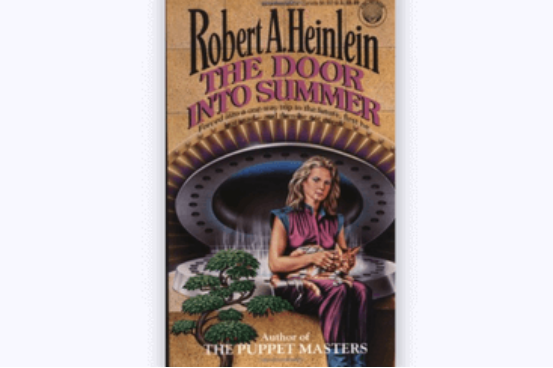
The Intersection of Engineering and Narrative in Into the Midsummer Gate
Into the Midsummer Gate stands as a unique entry in the contemporary science fiction genre, masterfully bridging the gap between rigorous technical methodology and whimsical, character-driven storytelling. At its heart, the narrative follows an engineer whose approach to the impossible—time travel—is governed by the same principles of physics and logic that define their professional career.
The Role of Technical Precision in Science Fiction
Unlike many speculative works that treat time travel as a magical plot device, this novel treats it as an engineering challenge. The protagonist’s journey is not merely one of discovery but one of troubleshooting, calibration, and iterative failure. This grounded approach allows readers to engage with the “how” of the narrative, creating a sense of realism that elevates the stakes of the temporal experiments performed within the gate.
The Feline Catalyst: Why a Cat?
The introduction of a feline companion into the time-travel apparatus serves as more than just a narrative hook; it is a clever literary device. Cats are often associated with independence, mystery, and a unique perception of reality. In the context of this novel, the cat acts as a grounding force—a “constant” in the chaotic, shifting variables of temporal displacement.
Symbolism and Intuition
While the engineer relies on cold, hard data, the cat provides a layer of intuitive guidance. This contrast highlights a central theme: the limitation of purely human, logic-based perspectives when interacting with phenomena that defy standard linear timelines. The cat’s ability to navigate the gate suggests that there are dimensions of time that cannot be measured by instruments alone.
Comparative Analysis: Engineering vs. Intuition
To understand the dynamic between the primary characters, we must look at how their differing worldviews impact their success in navigating time.
| Aspect | The Engineer’s Approach | The Cat’s Approach |
|---|---|---|
| Problem Solving | Logical, iterative, data-driven | Instinctual, sensory, reactive |
| Time Perception | Linear, quantifiable, mechanical | Non-linear, present-focused |
| Goal | Efficiency and stability | Survival and adaptation |
Pro Tips for Analyzing Speculative Fiction
- Identify the Rules: Every good time-travel story has a set of internal rules. Map them out early to see if the author remains consistent.
- Analyze the Motivation: Ask yourself why the protagonist is traveling through time. Is it for scientific advancement, personal loss, or curiosity?
- Look for the “Anchor”: Identify the item, person, or animal that keeps the protagonist grounded in their reality.
Frequently Asked Questions (FAQ)
- Is Into the Midsummer Gate considered Hard Science Fiction?
- Yes, it leans heavily into Hard Sci-Fi by emphasizing the engineering and physics behind its time-travel mechanism, though it is balanced by strong character development.
- What is the primary theme of the book?
- The primary theme is the reconciliation of logic and intuition, specifically how we use science to explain the unexplainable.
- Does the cat have supernatural abilities?
- The novel leaves this somewhat ambiguous, suggesting that the cat’s behavior is a combination of heightened animal senses and an innate ability to perceive shifts in temporal gravity.
- Who should read this book?
- It is ideal for readers who enjoy character-focused science fiction that doesn’t sacrifice technical detail for narrative flow.