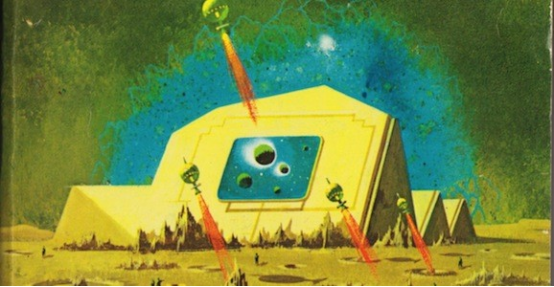
Robert A. Heinlein’s seminal 1966 novel, The Moon is a Harsh Mistress, remains a masterclass in hard science fiction worldbuilding. It transcends simple space opera by grounding its central conflict in rigorous economic theory and the immutable laws of physics. The narrative explores how a penal colony on the Moon (Luna) orchestrates a rebellion against its Earth-based oppressors. By leveraging resource economics, artificial intelligence, and the physical limitations of light-speed communication, the “Loonies” execute a flawless asymmetric war.
The Economic Catalyst for Lunar Rebellion: TANSTAAFL
Before the first shot is fired, the war between Earth and Luna is fundamentally an economic one. Luna operates as an open-air prison where convicts and their descendants farm hydroponic wheat in vast underground warrens. This grain is shipped to a starving Earth via an electromagnetic catapult. However, the economic terms are dictated entirely by the Lunar Authority on Earth, creating a systemic extraction of wealth and resources.
The Resource Drain and the Water Crisis
The core grievance of the Lunar colony is not just political disenfranchisement, but an impending ecological and economic collapse. Every ton of grain shipped down Earth’s gravity well contains precious water—water that is never returned to the Moon. Earth pays for this grain