Beyond Bedtime Stories: The Transformative Power of Youth Literature
The landscape of children’s literature has undergone a seismic shift over the past few decades. No longer confined to simplistic morality tales or sanitized adventures, contemporary youth fiction has evolved into a sophisticated literary category that tackles profound emotional, social, and psychological complexities. This transformation reflects a broader societal recognition that young readers are entirely capable of grappling with nuanced themes, ranging from systemic injustice to existential identity crises. By treating younger audiences with intellectual respect, modern authors have inadvertently created a genre that transcends age demographics entirely.
Historically, books targeted at children were designed primarily as instructional tools, heavily laden with didactic messaging aimed at reinforcing obedience and traditional values. However, the modern paradigm prioritizes emotional authenticity and psychological realism. This evolution has birthed a golden age of middle-grade and young adult (YA) fiction, where the narratives serve as critical frameworks for readers to process the increasingly complex world around them. The result is a vibrant literary ecosystem that not only entertains but also actively shapes the moral and empathetic capacities of its audience.
The Shift from Didacticism to Emotional Realism
To truly understand the current state of youth publishing, one must examine the fundamental differences in narrative construction between classic and contemporary works. Today’s authors employ sophisticated literary devices, unreliable narrators, and multi-perspective storytelling to mirror the fragmented reality of modern childhood.
| Literary Element | Traditional Children’s Literature | Contemporary Youth Fiction |
|---|---|---|
| Character Morality | Strictly binary (clearly defined heroes and villains). | Highly ambiguous; protagonists have deep flaws. |
| Core Themes | Obedience, physical adventure, simple life lessons. | Mental health, systemic bias, identity, grief. |
| Narrative Voice | Omniscient, authoritative adult perspective. | Intimate, authentic first-person or multi-POV. |
| Resolution | Neat, happy endings with all conflicts resolved. | Realistic, open-ended conclusions reflecting real life. |
This structural evolution ensures that readers are not merely passive recipients of a pre-packaged moral, but active participants in the decoding of complex human experiences. The transition from didacticism to emotional realism has laid the groundwork for books that resonate on a deeply miraculous level across all generations.

Miraculous Resonance: Why Books Like Wonder Captivate All Ages
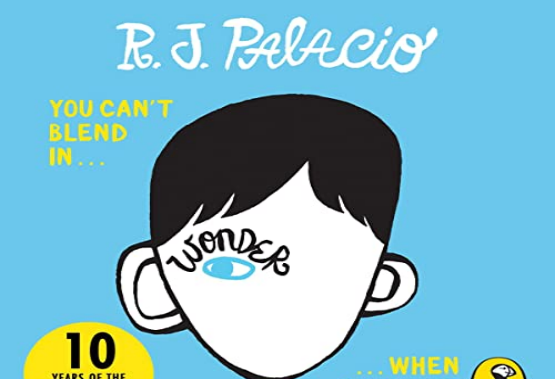
One of the most fascinating phenomena in modern publishing is the crossover appeal of middle-grade fiction. A quintessential example of this is R.J. Palacio’s critically acclaimed novel, Wonder. The story of August “Auggie” Pullman, a boy with a severe facial difference navigating mainstream school for the first time, was marketed to children but quickly became a global sensation among adult readers. This cross-generational fascination is not a marketing accident; it is the result of a profound psychological resonance that taps into universal human vulnerabilities.
At its core, Wonder operates as a masterclass in empathy generation. The novel does not shield its readers from the cruelty of societal ostracization, nor does it paint Auggie’s bullies as one-dimensional monsters. Instead, it utilizes a rotating first-person narrative structure—shifting perspectives among Auggie, his sister Via, his friends, and even his antagonists. This polyphonic approach forces the reader to inhabit multiple emotional spaces, creating a 360-degree view of how a single life impacts an entire community.
The Architecture of Empathy in Youth Fiction
The reason adults find themselves weeping over a book written for ten-year-olds lies in the stripping away of adult cynicism. Children’s literature addresses foundational human emotions—fear of rejection, the desire for belonging, the pain of betrayal—with an unfiltered purity that adult literary fiction often obfuscates with irony or complex prose. When adults read Wonder, they are reconnecting with their own inner child’s fundamental need for acceptance.
- Universal Vulnerability: Auggie’s physical difference serves as a hyper-visible metaphor for the internal insecurities everyone harbors. Every reader knows what it feels like to be the outsider, making the protagonist’s journey universally relatable.
- The Ripple Effect of Kindness: The book champions the precept “Choose Kind,” elevating simple decency to a heroic act. In a cynical world, this straightforward moral clarity provides immense psychological comfort to adult readers.
- Complex Sibling Dynamics: The inclusion of Via’s perspective highlights the collateral damage of chronic illness or disability within a family, validating the complex mix of fierce love, resentment, and guilt experienced by siblings.
By articulating these complex emotional webs through accessible language, contemporary children’s books achieve a miraculous resonance. They remind readers of all ages that the fundamental struggles of human existence do not disappear as we grow older; we merely learn to mask them better.

The Rise of Multiculturalism: Dismantling Stereotypes in Youth Fiction
For decades, the landscape of children’s literature was overwhelmingly monocultural. The default protagonist was almost universally white, middle-class, and neurotypical. Characters from marginalized backgrounds, when they appeared at all, were frequently relegated to the roles of sidekicks, magical guides, or two-dimensional tropes used to facilitate the white protagonist’s growth. However, the contemporary publishing era has witnessed a necessary and explosive rise in multiculturalism, fundamentally altering the demographic makeup of fictional worlds.
This shift is heavily influenced by the concept of “mirrors, windows, and sliding glass doors,” a paradigm introduced by Dr. Rudine Sims Bishop. According to this framework, children need mirrors to see their own experiences validated and reflected back at them, and windows to peer into the lives of people whose cultures and experiences differ from their own. The aggressive push to dismantle systemic stereotypes in youth fiction ensures that literature serves both functions effectively.
Moving Beyond the Single Story
The danger of a monocultural literary landscape is what author Chimamanda Ngozi Adichie famously termed “the danger of a single story.” When marginalized children only see themselves depicted through the lens of trauma, poverty, or historical oppression, it severely limits their imaginative potential. Contemporary multicultural literature actively subverts this by presenting diverse characters in a multitude of contexts.
Modern narratives are breaking stereotypes by decoupling cultural identity from obligatory trauma plots. Today, a young Black protagonist is just as likely to be exploring a magical fantasy realm or solving a sci-fi mystery as they are to be navigating civil rights struggles. This normalization of diversity is crucial. It asserts that characters of color, LGBTQ+ youth, and neurodivergent individuals are entitled to the full spectrum of human experience—joy, adventure, romance, and mundane everyday life—rather than being confined to educational tools for the majority culture.

Authentic Representation: The Impact of Own Voices on Young Minds
The push for multiculturalism has evolved beyond merely counting the diverse faces on book covers; it has moved into a demand for authentic, systemic representation. This evolution gave rise to the “Own Voices” movement, which advocates for stories about marginalized groups to be written by authors who share that same identity. This shift is critical because it addresses the nuances of cultural experience that outside observers frequently miss or misrepresent.
When an author writes from a lived experience, the cultural markers within the story—food, language, familial expectations, religious practices—are woven into the narrative seamlessly. They are not exoticized or explained away for the benefit of a white audience; they simply exist as the natural fabric of the protagonist’s world. This level of authenticity provides immense psychological validation for young readers from those communities.
The Psychological Benefits of Authentic Narratives
The integration of authentic multiculturalism in children’s literature yields profound psychological and societal benefits. It actively rewires the cognitive biases that form in early childhood.
- Fostering Cross-Cultural Empathy: When children from majority cultures read authentic stories about marginalized peers, it humanizes the “other.” It bridges the empathy gap by proving that core human desires—love, success, friendship—transcend cultural boundaries.
- Validating Marginalized Identities: For children of color or minority backgrounds, seeing a protagonist who looks like them, speaks like their grandmother, or eats the same cultural dishes validates their existence in a society that often marginalizes them.
- Dismantling Internalized Bias: Authentic representation helps dismantle the internalized racism and bias that marginalized youth often absorb from mainstream media. It replaces caricatures with complex, heroic, and deeply flawed human beings.
The publishing industry’s commitment to these authentic narratives is not a passing trend but a permanent structural correction. By elevating diverse authors, the literary world is ensuring that the next generation of readers grows up with a much broader, more accurate understanding of the global human family.

Childhood on the Banned Books List: The Controversy of The Chocolate War
While the evolution of children’s literature has brought about immense positive change, it has also sparked fierce ideological battles. As books for young readers become more realistic, tackling darker themes and challenging systemic authority, they frequently run afoul of parental groups and institutional censors. The history of youth fiction is inexorably linked to the history of banned books, and few novels exemplify this ongoing struggle better than Robert Cormier’s 1974 masterpiece, The Chocolate War.
The Chocolate War tells the story of Jerry Renault, a high school freshman who refuses to participate in his Catholic school’s annual chocolate-selling fundraiser. His refusal pits him against both the school’s corrupt administration, led by the sinister Brother Leon, and the school’s ruthless secret society, the Vigils. Unlike traditional children’s books, Cormier’s novel offers no triumphant victory for the protagonist. Jerry is ultimately beaten, physically and psychologically, and the corrupt institution remains intact. This bleak, uncompromising realism is exactly what has kept the book on the American Library Association’s most challenged lists for decades.
Why Society Fears Complex Themes in Youth Fiction
The controversy surrounding The Chocolate War serves as a perfect microcosm for the broader debate over censorship in children’s literature. Censors typically argue that they are protecting children from “inappropriate” content—which in Cormier’s case includes violence, anti-authoritarianism, and a deeply pessimistic worldview. However, a deeper analysis reveals that the true fear driving censorship is not the content itself, but the subversive questions the content encourages young readers to ask.
Cormier’s novel dares to ask: “Do I dare disturb the universe?” It suggests that adults in positions of power are not inherently moral, that institutions will crush individualism to maintain control, and that doing the right thing does not guarantee a happy outcome. For adults invested in maintaining traditional hierarchies and unquestioning obedience from youth, these concepts are terrifying. Banning books like The Chocolate War is rarely about protecting children’s innocence; it is almost always about protecting adult authority.

Navigating Censorship: Why Complex Themes Belong in Children’s Books
The ongoing crusade to ban books that deal with bullying, racism, sexual identity, or institutional corruption operates on a fundamentally flawed premise: the belief that if children do not read about trauma or injustice, they will not experience it. This sanitization of literature does a massive disservice to young readers. Children and teenagers are already living in a complex, often harsh reality. They experience bullying, they witness systemic injustice, and they grapple with their identities daily. Denying them access to literature that reflects these realities does not protect them; it isolates them.
When complex and controversial themes are explored within the safe confines of a book, readers are given a controlled environment to process difficult emotions. A book acts as a psychological simulator. It allows a young person to experience the terror of standing up to a bully, the grief of losing a loved one, or the confusion of societal prejudice without suffering the real-world consequences. This simulation builds crucial emotional resilience.
The Double-Edged Sword of Literary Censorship
Ironically, the act of banning a book frequently backfires, creating the exact opposite effect intended by the censors. The “Streisand Effect” ensures that the moment a book is declared forbidden, its cultural cachet among young readers skyrockets. However, the systemic impacts of censorship remain deeply harmful, particularly in educational settings.
- Erasure of Marginalized Voices: The vast majority of books targeted by modern bans feature LGBTQ+ protagonists or center on the experiences of people of color. Banning these books sends a clear, devastating message to youth from those communities that their very existence is considered “inappropriate.”
- Stunting Critical Thinking: Literature is meant to challenge the reader. By removing books that question authority or present moral ambiguities, we deprive students of the opportunity to develop critical thinking skills and independent moral reasoning.
- Fostering Ignorance over Innocence: True innocence is a state of being uncorrupted, but censorship fosters ignorance. Equipping children with the literary vocabulary to understand complex societal issues prepares them to be empathetic, informed citizens.
Ultimately, the evolution of children’s literature—from the universal empathy of Wonder to the diverse realities of multicultural fiction and the stark truths of The Chocolate War—proves that young readers are fiercely intelligent. They do not need to be shielded from the world; they need to be equipped to understand it. By championing authentic, complex, and sometimes controversial literature, we empower the next generation to face reality with empathy, resilience, and an unwavering critical eye.
Frequently Asked Questions (FAQ)
- What makes a children’s book appeal to adult readers?
- Children’s books appeal to adults because they strip away the cynicism and complex prose of adult fiction to address foundational human emotions—such as the need for belonging, the fear of rejection, and the power of empathy—with unfiltered purity and emotional authenticity.
- Why is multiculturalism important in middle-grade and YA fiction?
- Multiculturalism provides “mirrors” for marginalized youth to see their identities validated, and “windows” for majority youth to build cross-cultural empathy. It dismantles harmful stereotypes by presenting diverse characters as complex individuals rather than monolithic tropes.
- What does the term “Own Voices” mean in publishing?
- “Own Voices” refers to books in which the author shares the same marginalized identity as the protagonist. This ensures that cultural nuances, struggles, and everyday realities are depicted with lived authenticity rather than through an outsider’s potentially biased lens.
- Why is Robert Cormier’s “The Chocolate War” frequently banned?
- The book is frequently banned because it challenges institutional authority, portrays adults and religious figures as corrupt, features realistic bullying, and refuses to provide a traditional “happy ending.” Censors often object to its pessimistic, anti-establishment worldview.
- Does banning books effectively protect children?
- No. Banning books does not shield children from complex realities; it only deprives them of a safe, structured medium to process difficult themes. Furthermore, censorship disproportionately targets books about marginalized communities, sending harmful messages about whose stories are deemed acceptable.