
A comprehensive and deeply analytical guide exploring the metaphysical and physical concepts bridging Liu Cixin’s literary universe. From the quantum ontology of macro-atoms in Ball Lightning to the technological singularity of Poetry Cloud, and the terrifying high-tech weaponry of The Three-Body Problem, this pillar page dissects the boundaries of human artistic understanding, cosmic sociology, and the ultimate fear that drives cosmic evolution.
Sci-Fi Analysis

The Moral Crucible of the Three-Body Problem: Character Analysis and Philosophical Conflict
An exhaustive exploration of the central figures in Liu Cixin’s “Remembrance of Earth’s Past” trilogy. This guide dissects the ideological battles between Ye Wenjie’s disillusionment, Luo Ji’s strategic coldness, Cheng Xin’s tragic idealism, and Thomas Wade’s brutal pragmatism. We examine how these characters represent the ultimate choice between human ethics and cosmic survival in a Dark Forest universe.

The Dark Forest Theory: Unveiling Cosmic Survival in The Three-Body Problem
Dive deep into Cixin Liu’s chilling Dark Forest Theory, a cornerstone of cosmic sociology explaining the silence of the universe. This pillar page dissects its game theory foundations, the terrifying logic of suspicion and technological explosion, and its profound implications for alien civilizations and humanity’s place in a hostile cosmos. Explore how survival dictates galactic interactions and why detection often leads to annihilation.
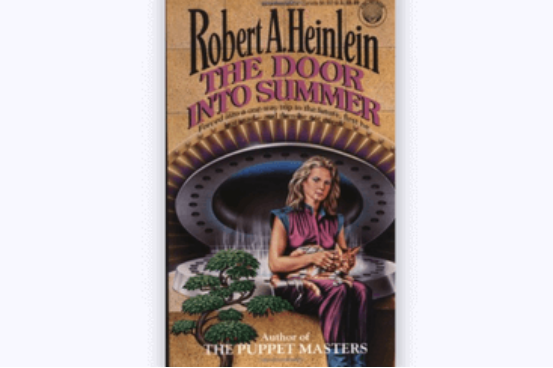
Into the Midsummer Gate: A Deep Dive into Time-Travel Narratives
An expansive analysis of the novel Into the Midsummer Gate, exploring the intersection of hard engineering logic, feline companionship, and the philosophical implications of temporal displacement.
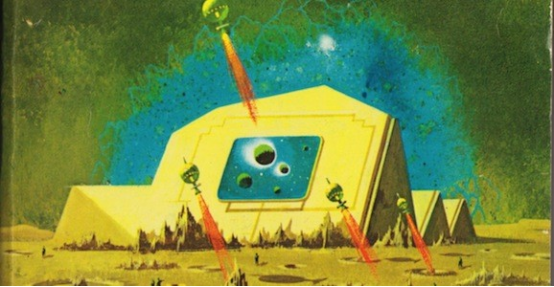
Revolutionary Economics in The Moon is a Harsh Mistress: Weaponizing Communication Delays
An incredibly detailed literary and scientific analysis of Robert A. Heinlein’s classic novel, exploring how a lunar colony leveraged resource economics, TANSTAAFL, and the immutable laws of physics to orchestrate a successful war of independence.

Heinlein’s Mirror: How “Double Star” and “The Rolling Stones” Critique Society
A deep dive into Robert A. Heinlein’s classic novels, “Double Star” and “The Rolling Stones,” exploring how they serve as powerful critiques of political performance, democratic illusions, and the rigid confines of the traditional nuclear family. This analysis reveals science fiction’s unique capacity to dissect and question our most fundamental societal structures.

The Martian Perspective: Deconstructing Human Religion and Social Customs in Stranger in a Strange Land
An exhaustive exploration of Robert A. Heinlein’s masterpiece, analyzing Valentine Michael Smith’s journey to define humanity through Martian philosophy, the concept of grokking, and the radical deconstruction of Earth’s social and religious institutions.

Starship Troopers: Satire, Citizenship, and Militarism
A comprehensive examination of Robert A. Heinlein’s seminal work, exploring the complex interplay between the novel’s philosophical framework and Paul Verhoeven’s satirical film adaptation.

The Enduring Legacy of Robert A. Heinlein: Self-Determination, Robotics, and Scientific Vision
Robert A. Heinlein stands as a titan of science fiction, his prolific works shaping not only the genre but also influencing philosophical discourse on individualism, societal structures, and technological advancement. This pillar page delves into the multifaceted aspects of Heinlein’s universe, exploring his iconic characters like Lazarus Long, the profound concept of self-determination, the evolving portrayal of robots, and the scientific scrutiny of his speculative technologies such as the jump drive. Through an in-depth analysis of his most celebrated novels, including “Time Enough to Love,” we reconstruct the intricate tapestry of his literary genius, offering a comprehensive guide to understanding Heinlein’s enduring relevance and his unwavering commitment to exploring the frontiers of human potential and cosmic possibilities.

High-Tech Low-Living: The Reality of Digital Ghettos
An analytical exploration of how rapid technological advancement creates socioeconomic disparities, manifesting as digital ghettos where high-speed connectivity masks systemic urban decay.
Neuromancer vs. The Matrix: Cyberpunk’s Evolution and Legacy
A deep-dive investigation into the philosophical divergence between William Gibson’s Neuromancer and The Wachowskis’ The Matrix, exploring how these pillars of cyberpunk define technological fear, virtual reality, and the human condition.

Exploring William Gibson’s Cyberpunk Universe: Protagonists, Worlds, and Enduring Legacy
Dive deep into the influential world of William Gibson, the visionary author who sculpted the cyberpunk genre. This comprehensive guide dissects his iconic protagonists, the gritty, high-tech urban landscapes they inhabit, and the profound themes woven into his narratives, revealing the enduring impact of his prescient vision on literature, technology, and culture.

William Gibson’s Prophetic Visions: From Cyberspace to Post-Internet Consumerism
An exhaustive exploration of William Gibson’s literary evolution, tracing his prophetic conceptualization of cyberspace as a consensus illusion, the sprawling globalization of his early trilogies, and the intricate intersections of brand memory, clothing, and conflict in the post-internet era defined by Zero History.

Neuromancer and the Genesis of Cyberpunk: A Comprehensive Guide to Gibson’s Dystopian Prophecy
Delve deep into the neon-lit, rain-slicked streets of William Gibson’s Neuromancer. This definitive guide explores how a single novel birthed the cyberpunk genre, prophesied the advent of cyberspace, and delivered a grim dystopian warning that echoes through our modern technological landscape.
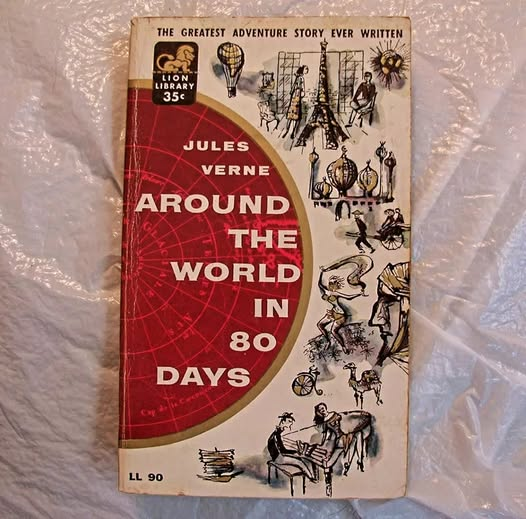
Jules Verne’s Global Journeys: A Deep Dive into Fogg and Captain Grant
Jules Verne’s literary masterpieces have long captivated audiences with their blend of scientific curiosity, geographical exploration, and profound human resilience. This comprehensive analysis explores two of his most iconic global adventures: ‘Around the World in Eighty Days’ and ‘Captain Grant’s Children’ (also known as ‘In Search of the Castaways’). By dissecting Phileas Fogg’s transformative journey from a rigid, time-obsessed gentleman to a man who discovers the ultimate prize of love and happiness, alongside Lord Glenarvan’s grueling, continent-spanning rescue mission along the 37th parallel south, we uncover the intricate thematic layers Verne wove into his narratives. This pillar page breaks down character motivations, geographical challenges, and the underlying philosophical questions that elevate these novels from mere adventure stories to timeless explorations of the human spirit.