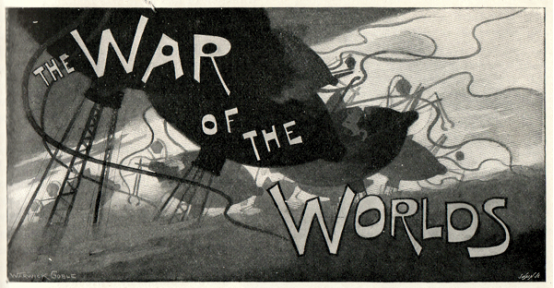
The Dawn of Global Conflict: Shattering Illusions of Progress
The turn of the 20th century, often heralded as an era of unprecedented technological and societal advancement, paradoxically ushered in the most brutal conflicts humanity had ever witnessed: the World Wars. These cataclysmic events did more than redraw geopolitical maps; they fundamentally altered human consciousness, stripping away long-held beliefs in inevitable progress and the inherent superiority of Western civilization. Before these wars, a prevailing sentiment of imperial grandeur and scientific optimism masked underlying tensions and systemic injustices. The sheer scale of death and destruction, the mechanization of warfare, and the psychological trauma inflicted upon millions forced a brutal reckoning with humanity’s capacity for both innovation and barbarity. This period marked an awakening from a collective “dream of a proud civilization,” revealing its profound vulnerability and the precariousness of human achievements.
The Pre-War Delusion of Invincibility and Colonial Hubris
Prior to World War I, many European powers, particularly the British Empire, operated under a deeply ingrained belief in their cultural, technological, and military invincibility. This ethnocentric worldview fueled aggressive colonial expansion, justified through narratives of civilizing missions and the supposed benefits of imperial rule. The vastness of the British Empire, upon which the sun never set, fostered a sense of unchallengeable dominance and a profound lack of empathy for subjugated peoples. This hubris, however, was built on a foundation of systemic violence, exploitation, and dehumanization against colonized populations. The illusion of a proud, unassailable civilization was destined to crack under the weight of its own internal contradictions and the external pressures of burgeoning global conflicts, demonstrating a profound inability to foresee the danger coming from within its own aggressive tendencies.
- Technological Myopia: Advanced weaponry was often seen as a guarantor of peace or a tool for swift victory, rather than an accelerant of unprecedented destruction.
- Colonial Exploitation: Resources and labor from colonized territories were ruthlessly extracted, fueling imperial power while creating deep-seated resentment and instability that would later contribute to global unrest.
- Nationalistic Fervor: Intense, often jingoistic patriotism overshadowed diplomatic solutions, leading to aggressive posturing and an underestimation of the domino effect of alliances.
- Racial Hierarchies: Prevailing beliefs in racial superiority underpinned colonial policies, justifying violence and cultural suppression against non-European populations.

H.G. Wells’ The War of the Worlds: A Mirror to Imperialism
Published in 1898, H.G. Wells’ *The War of the Worlds* transcends its genre as a pioneering work of science fiction, serving as a trenchant critique of British imperialism and a prophetic reflection on the fragility of human dominance. The narrative, depicting a brutal Martian invasion of England, masterfully reverses the colonial dynamic, forcing the self-proclaimed masters of the world to experience the terror and helplessness routinely inflicted upon their own colonial subjects. Wells, through the Martians’ advanced technology and ruthless efficiency, mirrors the very instruments and attitudes of the British Empire’s expansion, drawing a direct parallel between the alien invaders and the colonizers. This allegorical framework allowed Wells to comment on contemporary socio-political issues under the guise of speculative fiction, highlighting the moral bankruptcy of unbridled conquest.
The Reversal of Colonial Roles and Its Psychological Impact
The core genius of Wells’ novel lies in its dramatic role reversal. For decades, the British Empire had imposed its will across continents, often with devastating consequences for indigenous populations. In *The War of the Worlds*, the British find themselves in the unfamiliar and terrifying position of the colonized. They are overwhelmed by a superior force, their sophisticated military rendered useless, their cities destroyed, and their populace hunted like animals. This reversal forces the reader, particularly a contemporary British audience, to confront the inherent violence and dehumanization embedded within the imperial project. The psychological shock of being on the receiving end of such a technologically advanced and indifferent power highlights the terror experienced by those subjected to colonial conquest, creating a powerful, unsettling empathy that few direct historical accounts could evoke.
- Technological Disparity: The Martians’ Heat-Ray and fighting machines echo the advanced weaponry (e.g., Maxim guns) used by European powers against less technologically developed societies, demonstrating the brutal efficacy of such a power imbalance.
- Resource Exploitation: The Martians’ intent to harvest human blood for sustenance mirrors the economic exploitation of colonial territories for raw materials and labor, reducing human lives to mere commodities.
- Indifference to Suffering: The Martians’ cold, clinical approach to annihilation reflects the detached, often dehumanizing attitude of colonizers towards indigenous populations, viewing them as obstacles or resources rather than fellow humans.
- Breakdown of Order: The rapid collapse of British society under Martian attack mirrors the disruption and destruction of indigenous cultures and governance systems under colonial rule.
Critique of British Imperial Violence and Superiority
Wells’ narrative is not merely an adventure story; it is a profound indictment of the violence inherent in the British Empire’s expansion. The Martians’ brutal methods, their disregard for human life, and their systematic conquest are direct allegories for the atrocities committed by the British in places like India, Africa, and Australia. By presenting the British as the victims of an even more powerful, technologically superior invader, Wells subtly but powerfully questions the moral legitimacy of their own imperial endeavors. The novel forces its audience to ask: what distinguishes the Martians’ invasion of Earth from the British invasion of other lands, apart from the scale and perspective? This critical lens undermines the prevalent notion of British moral superiority and exposes the hypocrisy embedded within the imperial project, suggesting that when the danger finally came, they realized their own vulnerability was a universal condition.
- The “Civilizing Mission” Debunked: The Martians offer no pretense of a “civilizing mission,” revealing the true, often brutal, nature of conquest as a
Literary and art analysis note: This article is independent literary, science-fiction, art-history, or cultural commentary. It is not official publisher, author, estate, museum, gallery, school, award, franchise, brand, or rights-holder material, and it does not provide legal, academic, collecting, conservation, health, safety, or professional advice.Independent commentary note: Names of authors, books, artworks, characters, artists, publishers, franchises, awards, museums, films, platforms, and rights holders are used only for identification and commentary. This site is not affiliated with, sponsored by, authorized by, or endorsed by those parties, and does not claim official status, licensing, ownership, or definitive interpretation.Speculative fiction boundary note: AI, cyberpunk, nuclear, weapons, war, gene editing, space, robotics, surveillance, and high-technology topics are discussed as literature and cultural criticism. They are not technical instructions, scientific protocol, operational planning, security advice, medical advice, weapons guidance, investment advice, or encouragement of harm.