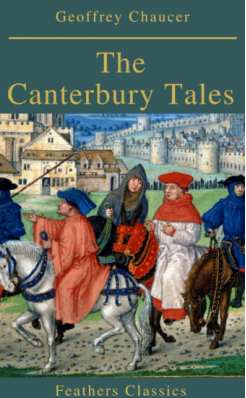
I recently reread Geoffrey Chaucer’s The Canterbury Tales. This collection of poems, written in the 14th century, is not only a milestone in the history of British literature, but also a mirror that clearly reflects the various aspects of British society in the late Middle Ages. When I first came into contact with this work, I was attracted by its unique narrative structure and vivid character portrayal. This rereading made me discover many details that I had not noticed before.
The fact that The Canterbury Tales was written in Middle English, rather than French or Latin, contributed to its widespread popularity.
Plot Summary
This book is written in the style of “story within story”. The book begins with a group of pilgrims from different classes who agreed to tell two stories on the way to Canterbury Cathedral to worship the martyrdom of St. Thomas Becket. The person who tells the best story will enjoy a free dinner after returning, thus starting a wonderful storytelling journey. These pilgrims include knights, monks, servants, merchants, craftsmen, doctors, lawyers, scholars, farmers, housewives, etc.
The story collection contains 24 stories with rich and diverse themes, including love and knight adventure legends, religious and moral stories, humorous stories, animal fables, etc. Among them, The Knight tells the tragic love story of Paramount and Ashtei falling in love with Emilia; The Wife of Bath tells her five marriages and explores the power relationship in marriage; The Seller of Indulgence tells a moral fable about the death that falls on the greedy; The animal fables told by the priest satirize social reality. The most famous stories include “The Knight’s Tale”, “The Wife of Bath’s Tale” and “The Tale of the Nun’s Husband”.
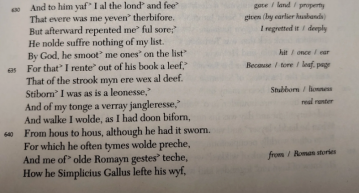
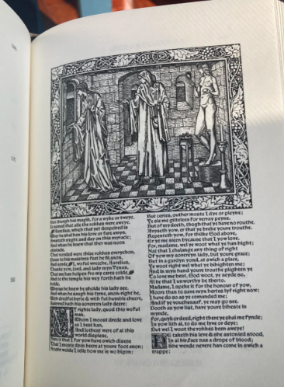
Personal experience
The Canterbury Tales is like a rich treasure, and every reading brings new gains. It is not only an important source of information for studying medieval British society, but also a literary classic with eternal charm. If you are interested in European medieval culture or want to gain a deeper understanding of the development of British literature, this work is definitely worth reading.