Classic children’s literature holds a unique and powerful place in our cultural consciousness. Far more than simple stories for entertainment, these enduring tales—from the comforting rhythm of “Goodnight Moon” to the sprawling magic of “Harry Potter”—serve as foundational texts for our understanding of the world. They are intricate tapestries woven with profound philosophical questions, complex emotional journeys, and timeless moral dilemmas. These stories provide a safe and accessible space for young minds to grapple with life’s biggest concepts: growth, loss, responsibility, rebellion, and the very nature of identity. This guide delves into the multi-layered genius of these classics, exploring the deep-seated reasons for their eternal charm and their crucial role in shaping compassionate, resilient, and thoughtful individuals.
The Timeless Allure: Crafting Worlds That Endure
The enduring appeal of classic children’s literature is not accidental. It stems from a masterful combination of immersive world-building and a deep understanding of universal human emotions. These authors create universes that are not only magical and captivating but are also governed by their own consistent logic, allowing readers to suspend their disbelief and fully invest in the narrative. Whether it’s the whimsical chaos of Wonderland or the pastoral reality of Wilbur’s farm, these settings become as memorable as the characters themselves.
Building Immersive Worlds and Unforgettable Characters
The secret to a classic’s longevity lies in its ability to create a self-contained world that feels both fantastical and real. The characters that inhabit these worlds are not one-dimensional archetypes; they are complex beings with flaws, fears, and aspirations. We connect with the stubborn loyalty of Charlotte, the rebellious cleverness of Mr. Fox, and the internal conflict of Peter Pan because their struggles mirror our own. This character depth allows the stories to transcend their time and connect with new generations of readers on a deeply personal level.
Tapping into Universal Human Emotions
At their core, these stories resonate because they tap into the fundamental emotions that define the human experience. They explore the joy of friendship, the pain of loss, the fear of the unknown, and the hope for redemption. By presenting these powerful emotions through the lens of a compelling narrative, classic literature provides children with a vocabulary to understand their own feelings. It validates their internal worlds and assures them that their experiences are a shared part of being human.

Deconstructing Core Themes: Beyond the Surface Narrative
While the plots of these stories are captivating, their true power lies in the complex themes they explore. Classic children’s literature serves as a child’s first introduction to philosophy, ethics, and psychology, presenting intricate ideas in a digestible and memorable format. Examining these works reveals a curriculum of life lessons that are subtly woven into the fabric of each tale.
The Journey of Growth and Responsibility
A central preoccupation of children’s literature is the often-difficult transition from childhood to adulthood. Few stories capture this struggle as poignantly as J.M. Barrie’s “Peter Pan.” The story is frequently misinterpreted as a simple adventure, but it is a profound and melancholic meditation on the conflict between the desire for eternal youth and the inevitability of growth. Peter’s refusal to grow up is not portrayed as an unequivocal good; it is a state of emotional stasis that prevents him from forming lasting, meaningful relationships. Wendy, in contrast, accepts her journey toward maturity, understanding that with responsibility comes a deeper connection to the world. Similarly, Louisa May Alcott’s “Little Women” provides a powerful narrative of female growth, detailing the March sisters’ individual paths to self-realization as they balance personal ambitions with familial and societal duties.
Life, Loss, and Redemption
Classic literature does not shy away from the most difficult aspects of life, particularly death and loss. E.B. White’s “Charlotte’s Web” is a masterclass in teaching children about mortality, sacrifice, and the enduring power of love. The story confronts the reality of death head-on, but does so with immense gentleness and compassion. Charlotte’s sacrifice to save Wilbur is a profound act of redemption, transforming her ordinary life into something extraordinary. This theme of redemption is echoed in other classics, where characters are given the chance to atone for their mistakes and find forgiveness, teaching young readers the invaluable lessons of grace and second chances.
The Power of Nature and Emotional Healing
The natural world often plays a pivotal role as a catalyst for healing and personal transformation. In Frances Hodgson Burnett’s “The Secret Garden,” the revival of the neglected garden runs parallel to the emotional healing of the three main children, Mary, Colin, and Dickon. As they nurture the dormant plants back to life, they also heal their own emotional wounds caused by grief, neglect, and isolation. The garden becomes a symbol of resilience and the restorative power of life, demonstrating how a connection to nature can foster mental and physical well-being. This theme underscores the idea that growth is a natural process that requires patience, care, and the right environment to flourish.

Challenging Conventions: Rebellion and Philosophy in Children’s Tales
Many beloved children’s classics contain a surprising undercurrent of rebellion and philosophical inquiry. They question authority, challenge societal norms, and invite readers to think critically about the world around them. These stories celebrate non-conformity and intellectual curiosity, encouraging children to find their own voice and perspective.
Absurdism and Identity in Wonderland
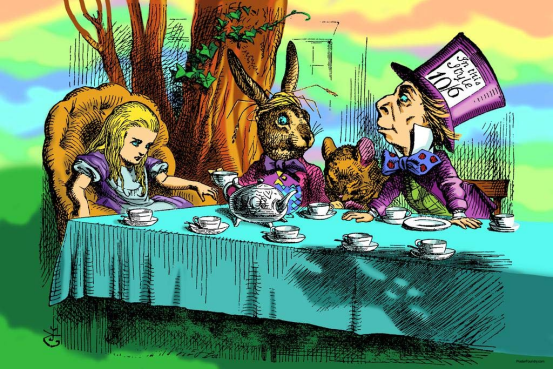
Lewis Carroll’s “Alice’s Adventures in Wonderland” is far more than a whimsical fairy tale; it is a deep dive into the philosophy of absurdism and a critique of the rigid logic of Victorian society. Alice’s journey through a world where nothing makes sense forces her—and the reader—to question the nature of reality, language, and identity. The constant transformations she undergoes and the nonsensical conversations she has reflect the confusing and often illogical transition from childhood to adulthood. The story is a powerful statement that the world doesn’t always adhere to neat, rational rules, and that embracing a degree of absurdity is essential for navigating its complexities.
The Spirit of Rebellion and Cleverness
The theme of justified rebellion against tyranny is brilliantly explored in Roald Dahl’s “Fantastic Mr. Fox.” Mr. Fox is a hero who uses his intelligence and cunning to defy the oppressive and greedy farmers Boggis, Bunce, and Bean. The story celebrates strategic thinking, community cooperation, and the courage to stand up against injustice. It teaches an important lesson: that authority is not always right and that challenging unfair systems is sometimes necessary for survival and prosperity. It champions the underdog and validates the idea that cleverness can be a more powerful weapon than brute force.

The Role of Literature in Moral and Emotional Development
Beyond entertainment, classic children’s literature functions as a vital tool for what is often called “life education.” These stories act as simulators for complex social and emotional situations, allowing children to explore different perspectives and outcomes from a position of safety. They are instrumental in building the foundations of empathy, kindness, and moral reasoning.
A Safe Space for Difficult Conversations
Books like “Charlotte’s Web” and, in more modern terms, R.J. Palacio’s “Wonder,” provide an essential framework for discussing difficult topics. They introduce concepts like death, grief, prejudice, and disability in a narrative context that makes them approachable. By experiencing these situations through the eyes of a character, children can begin to process complex emotions and ask important questions. This narrative distance allows for a level of emotional exploration that might be too overwhelming in a real-world context, thus equipping them with the emotional tools they need for the future.
Cultivating Empathy and Understanding Diversity
The primary mechanism through which literature builds character is empathy. By stepping into the shoes of characters from different backgrounds and with different experiences, readers learn to see the world from multiple viewpoints. This process is fundamental to breaking down prejudice and fostering a compassionate worldview. When a child feels Mary Lennox’s loneliness in “The Secret Garden” or understands the societal pressures facing the March sisters in “Little Women,” they are practicing empathy. This literary-driven empathy translates directly into a greater capacity for kindness and understanding in their own lives.

The Unvarnished Truth: Original Texts vs. Modern Adaptations
In the modern era, many classic stories are primarily consumed through simplified or sanitized adaptations, most notably by Disney. While these films can be enjoyable, they often strip away the complexity, ambiguity, and challenging themes that make the original texts so powerful and important for development. Returning to the source material is crucial for a full appreciation of the authors’ intent.
The Case of “Little Women”: Preserving Female Ambition
The original text of “Little Women” is a nuanced exploration of female ambition, creativity, and the struggle to forge an identity outside of traditional domestic roles. Jo March’s journey, in particular, is a powerful story about a woman determined to pursue a professional writing career in a world that expects her to prioritize marriage and motherhood. Many adaptations dilute this central conflict, focusing more on the romantic subplots. The original novel, however, presents a more realistic and empowering message about the complexities of a woman’s life, validating the pursuit of personal and professional dreams as a worthy end in itself.
Why Reading the Originals Matters
Reading the original versions of these classics is an exercise in appreciating nuance. The original texts often contain darker elements, more complex character motivations, and less tidy conclusions that better reflect the realities of life.
- Thematic Depth: Originals preserve the philosophical and moral complexity intended by the author.
- Language and Style: Readers are exposed to richer, more sophisticated language that enhances vocabulary and cognitive skills.
- Character Integrity: The full, often flawed, humanity of the characters is maintained, providing more realistic and relatable models of behavior.
Engaging with these stories in their unabridged form ensures that their full educational and emotional impact is not lost to simplification.
Frequently Asked Questions (FAQ)
- Why should adults reread classic children’s books?
- Adults should reread these classics because their multi-layered nature means they offer different lessons at different stages of life. An adult can appreciate the subtle social commentary, the psychological depth of the characters, and the sophisticated literary techniques they may have missed as a child. It is an opportunity to reconnect with foundational values and see timeless truths from a new perspective.
- What defines a piece of children’s literature as a “classic”?
- A classic is defined by its timelessness and universal appeal. It transcends the generation for which it was written, continuing to resonate with readers decades or even centuries later. This is because it deals with fundamental human themes—love, loss, growth, morality—that are always relevant. Furthermore, it typically exhibits high literary merit in its prose, character development, and storytelling structure.
- How do these stories help children develop empathy?
- They foster empathy by inviting readers to inhabit the minds and hearts of the characters. When a child reads, they experience the world from a perspective other than their own. They feel the character’s joy, fear, and sorrow as if it were their own. This cognitive and emotional exercise builds the neural pathways for empathy, making it easier for them to understand and share the feelings of others in their real lives.
- Are the dark themes in some classics appropriate for children?
- Yes, when presented in a thoughtful narrative context. Stories that touch on themes like death, grief, or injustice, such as “Charlotte’s Web,” do not traumatize children but rather equip them. They provide a safe, controlled environment to encounter and process difficult concepts, building emotional resilience and providing a framework for important family conversations about life’s challenges.
- What is the main difference between original classic texts and their Disney adaptations?
- The primary difference lies in thematic complexity and ambiguity. Original texts often embrace moral gray areas, unresolved conflicts, and melancholic endings that reflect the realities of life. Disney adaptations, by contrast, typically streamline the plot, simplify character motivations, and provide a clear-cut “happily ever after” ending. This often results in the loss of the profound, and sometimes challenging, lessons embedded in the source material.